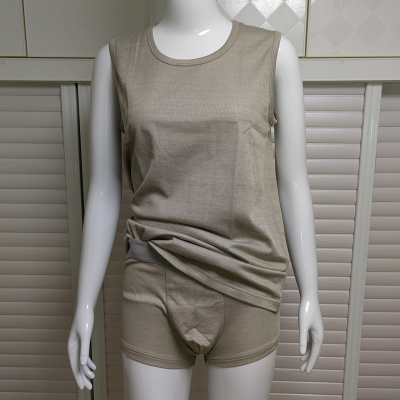
clothing Sourcing Overview
-
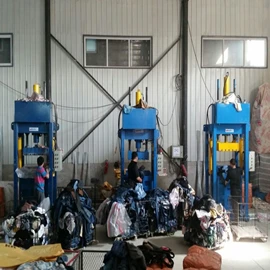
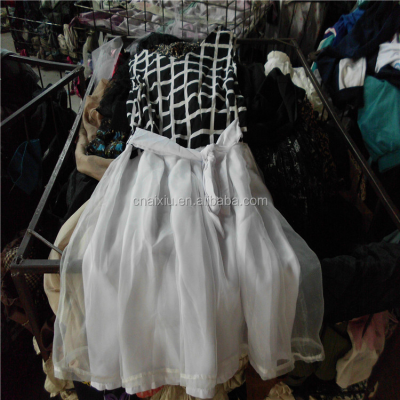
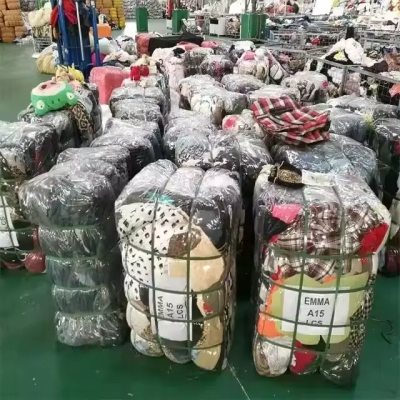
Beware of Quality Variability in Used and Second-Hand Clothing Overlooking the condition and provenance of used clothing items, such as second-hand clothes and vintage jackets, often leads to inconsistent product quality and potential customer dissatisfaction.
-
Specify Material Requirements Clearly Insist on detailed material specifications like cotton, denim, or polyester to ensure product performance matches the intended use, especially for technical apparel like ski wear versus casual T-shirts.
-
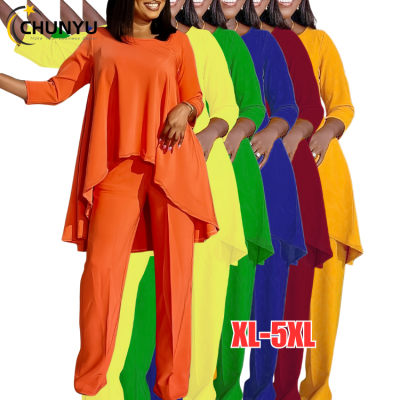
Consider Target Group Segmentation for Better Fit and Functionality In practice, suppliers tailor designs differently for men, women, children, and sports apparel, so selecting vendors experienced with your specific demographic will improve product acceptance and reduce returns.
-
Evaluate Certification Impact on Supplier Reliability and Cost Management system certifications such as ISO 9001 and SA 8000 can account for up to 15% of supplier cost but directly affect compliance, sustainability, and risk management in sourcing from countries like China or Bangladesh.