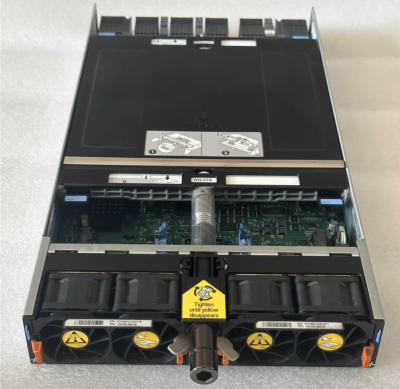
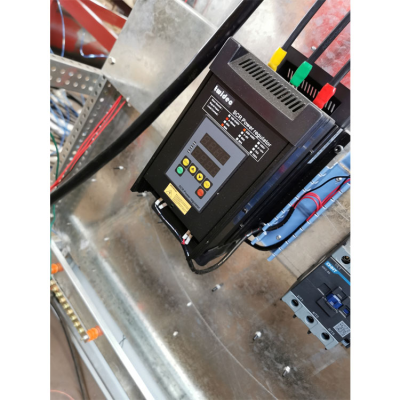
controller Sourcing Overview
-
Certification Compliance and Quality Assurance Overlooking certifications like CCC, CE, ISO 9001, RoHS, GS, and FCC often leads to non-compliance risks and potential regulatory issues; ensure the controller meets all relevant standards to guarantee quality and legal acceptance.
-
Material Selection Based on Application Environment Negotiate the choice of material carefully—aluminum alloy and stainless steel offer superior durability for industrial settings, while plastic may suffice for less demanding environments, impacting longevity and maintenance costs.
-
Functionality and Feature Alignment Experienced buyers typically prioritize controllers that support automatic control, monitoring, and network download capabilities, especially when multi-player support or high-speed pulse outputs are required for complex automation tasks.
-
Condition Trade-Off: New vs. Used Controllers The trade-off between new and used units depends on budget constraints and reliability needs; while new controllers provide warranty and cutting-edge features, used ones can reduce upfront costs but may carry higher maintenance risks.