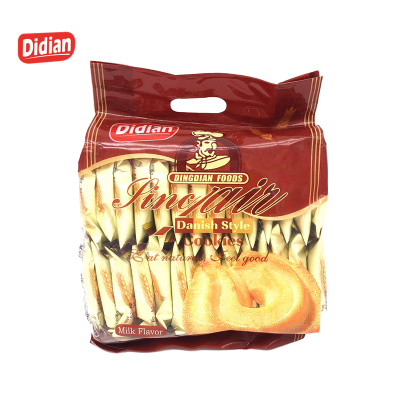
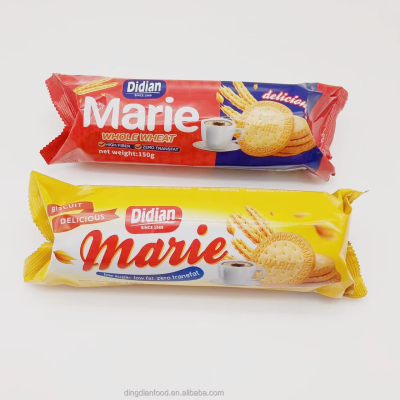
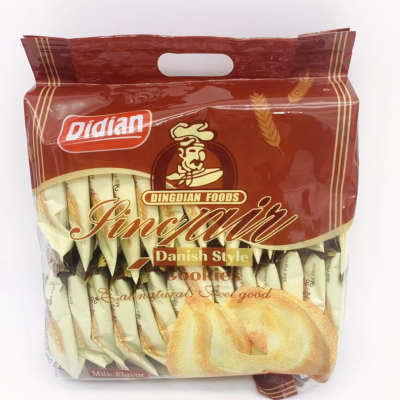
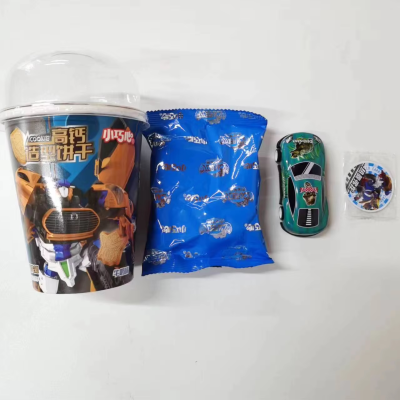
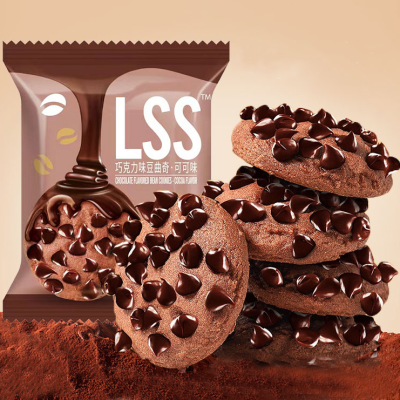
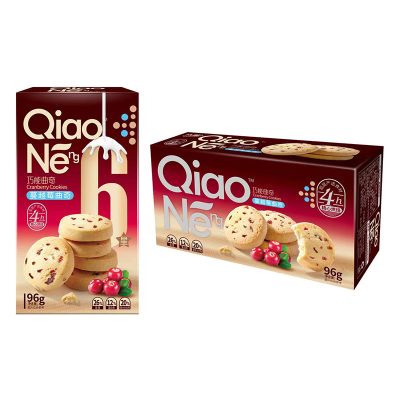
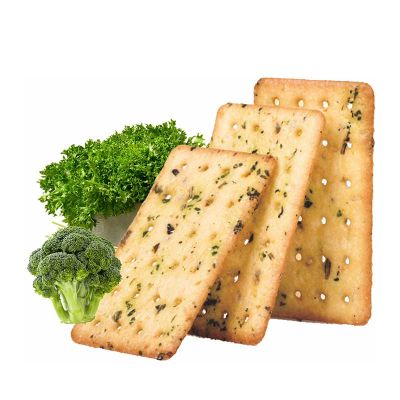
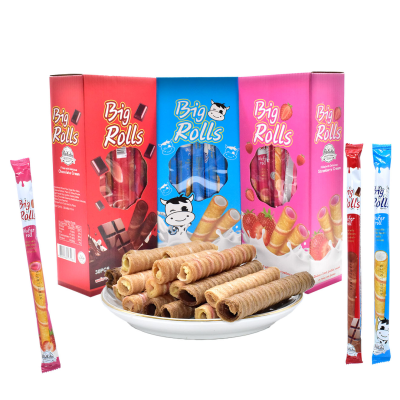
cookie Sourcing Overview
-
Material Composition Complexity Overlooking the diverse material mix—ranging from edible components like cinnamon and caramel to non-edible elements such as stainless steel 304 and plastic—often leads to supply chain complications and quality inconsistencies, so ensure clear segregation of food-grade and non-food-grade materials.
-
Certification Requirements Insist on suppliers providing robust certifications like BRC, FDA, and Halal to guarantee compliance with international food safety and religious standards, which is critical for market acceptance and regulatory clearance.
-
Texture and Shelf Life Alignment In practice, most buyers balance texture preferences—crispy versus soft—with shelf life demands, noting that longer shelf lives (>12 months) often correlate with semi-hard or semi-soft textures, influencing consumer satisfaction and inventory turnover.
-
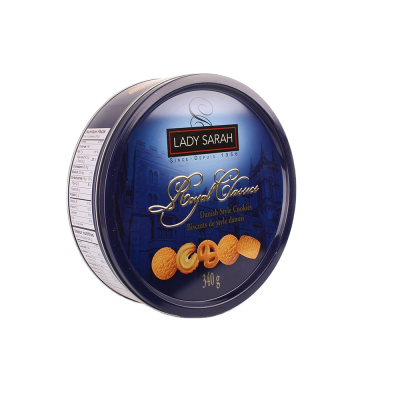
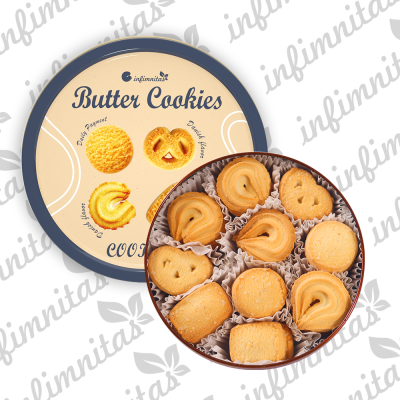
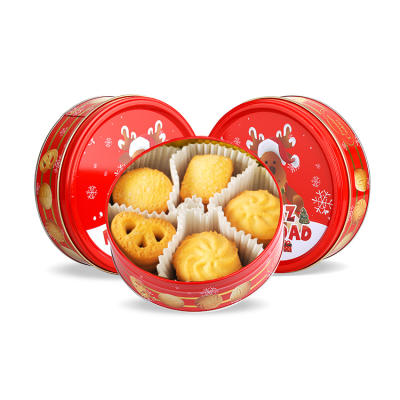
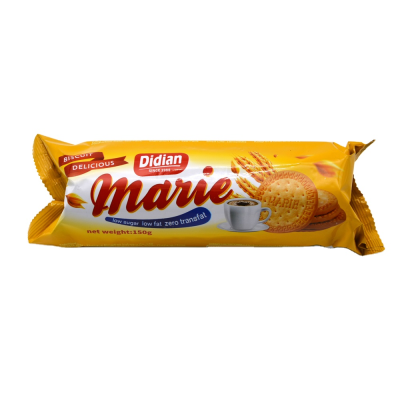
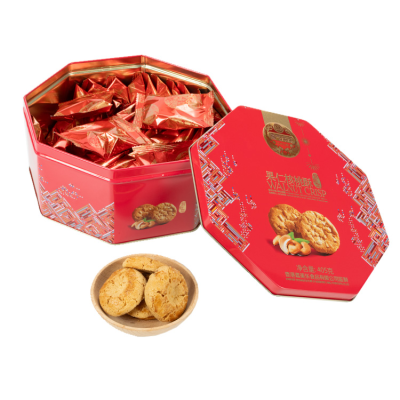
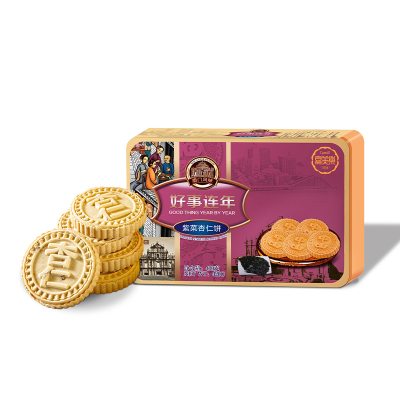
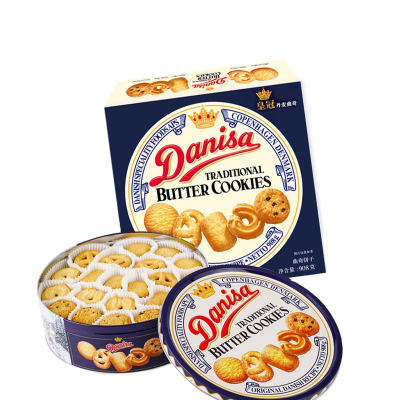
Packaging Material Trade-offs The trade-off between packaging options such as metal boxes versus paper bags depends largely on cost and preservation needs; metal offers superior protection but at higher expense, while paper is economical but may compromise shelf life and product integrity.