counter Sourcing Overview
-
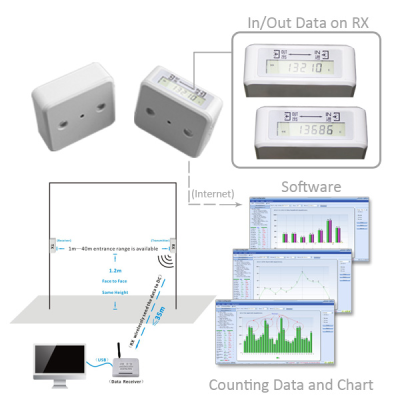
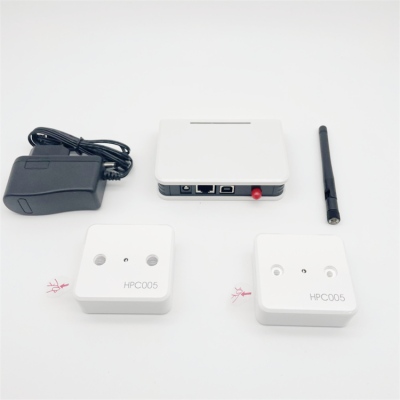
Functional Versatility and Application Fit Overlooking the specific function needed—whether it's a timer switch, tally counter, or reversible counter—often leads to acquiring a device that doesn't fully meet operational requirements, so clearly define the primary counting purpose before sourcing.
-
Power Supply Specification Negotiate power supply compatibility upfront, especially since options range from DC 7.5-12 V to fixed 9 V or 12 V; ensuring the counter matches your existing power infrastructure prevents costly modifications or performance issues.
-
Technology Type and Display Preferences In practice, most suppliers categorize counters into electronic, mechanical, or digital theories, each paired with distinct displays like LCD or LED; selecting the right combination influences durability and user interface, so weigh these factors against your environment.
-
Counting Range Impact on Cost and Scalability The counting range can account for a significant portion of the device’s complexity and price, with options spanning from 0-9,999 to nearly 100 million; choosing an unnecessarily large range inflates costs without added value, while too small a range limits future scalability.