disk Sourcing Overview
-
Capacity Selection and Performance Needs A common mistake is choosing disk capacity without aligning it to actual storage demands; opting for >1 TB may be excessive for some applications, while 256 GB or 512 GB could suffice and optimize budget.
-
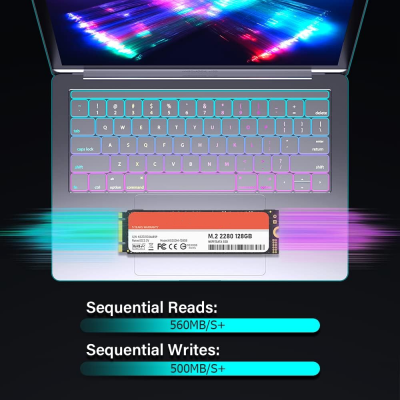
Interface and Writing Speed Compatibility Insist on verifying that the SATA interface supports the required writing speeds, especially if you need 450 MB/s or above, to avoid bottlenecks that degrade overall system performance.
-
Cache Size Impact on Data Throughput In practice, most suppliers offer cache sizes ranging from 8 MB to 512 MB, with larger caches significantly improving data handling during heavy workloads, so prioritize higher cache values for better efficiency.
-
Material and Durability Considerations Choosing the right material directly affects the disk's longevity and physical resilience; metal and HDD materials generally provide superior durability compared to plastic or ABS + PC options, which may reduce replacement costs over time.