exercise Sourcing Overview
-
Certification Compliance and Safety Assurance Overlooking certifications like CE, GS, SGS, ISO, TUV, NSCC, and RoHS often leads to acquiring equipment that may not meet international safety and quality standards, risking user safety and potential regulatory issues.
-
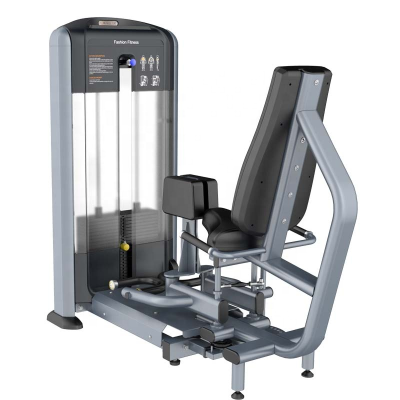
Functionality Alignment with Training Goals Negotiate the inclusion of specific functions such as strength training, leg extension, waist slimming, and chest press to ensure the equipment matches the targeted exercise needs of your clientele or users.
-
User Demographic Versatility In practice, most suppliers design these gym machines to accommodate a wide target group including adults, women, athletes, and home users, so prioritize models that clearly support this unisex and multi-level user base for broader applicability.
-
Weight Considerations Impacting Installation and Cost The net weight ranging from 136 kg to 306 kg can account for significant shipping and installation expenses, so evaluate the trade-off between sturdiness and logistical costs carefully to optimize your total investment.