fertilizer Sourcing Overview

Material:
Urea PhosphateNPKAmino AcidOrganic LiquidHumic AcidPotassium HumateCalciumMagnesiumEDTABio Bacteria
Product Type:
Commercial Organic FertilizerOrganic FertilizerCompound FertilizerLiquid FertilizerChemical FertilizerBiological Organic FertilizerBacterial FertilizerMicrobial FertilizerBio EnhancerFoliar Fertilizer
Specification:
NPK 15-15-15NPK 20-10-10NPK 18-18-18Calcium 13%Magnesium 2%Water Soluble 100%Amino Acid Powder 80%MicronutrientSlow ReleaseOrganic Matter 50%
Target Group:
Fertilizer ManufacturerAgriculturePlantCommercialHome Garden UsersOrganic Fertilizer UsersVegetable GardenersOrganic FarmersFarmLawn
Appearance:
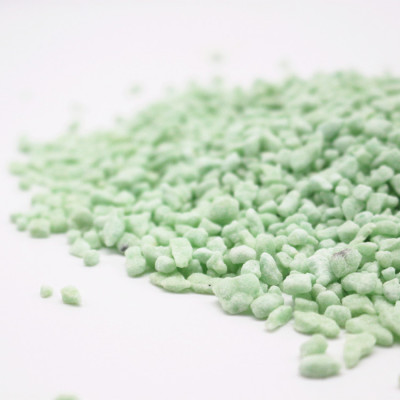
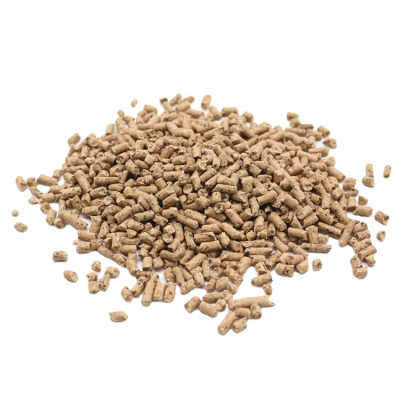
CrystalGranularPowderLiquidSolid
  • Material Composition Complexity Overlooking the diverse material composition such as Urea Phosphate, Amino Acid, and Bio Bacteria can lead to mismatched nutrient delivery, compromising crop yield and soil health.

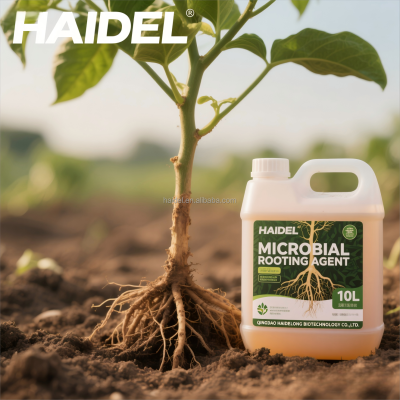
  • Product Type Specification Negotiate clearly on the fertilizer type—whether it’s Liquid Fertilizer, Compound Fertilizer, or Biological Organic Fertilizer—to ensure alignment with your crop requirements and application methods.

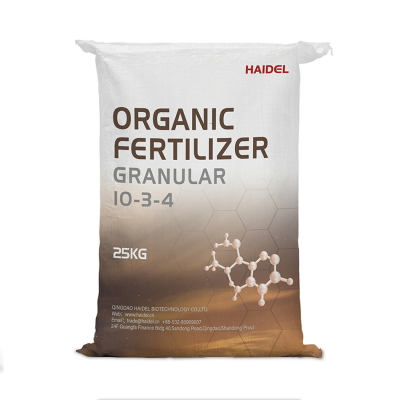
  • Specification Precision In practice, suppliers often standardize around NPK ratios like 15-15-15 or 20-10-10, but verifying specifications such as slow release or organic matter content (e.g., 50%) is crucial for tailored agronomic performance.

  • Target Group and Appearance Trade-offs While granular and powder forms suit commercial agriculture and fertilizer manufacturers, liquid and crystal forms may better serve home garden users or organic farmers, so weigh your end-user needs against product appearance and form.

No results

No suppliers match the current filters

Frequently Asked Questions