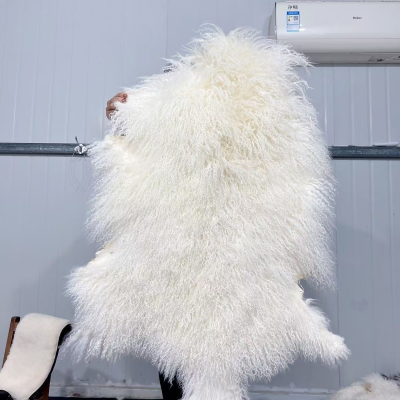
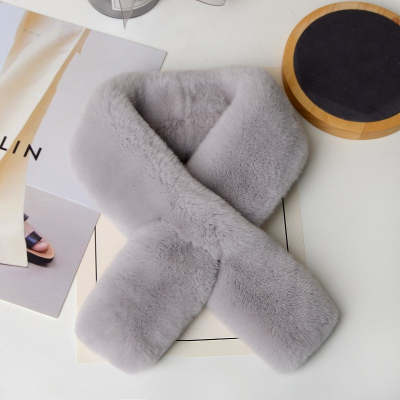
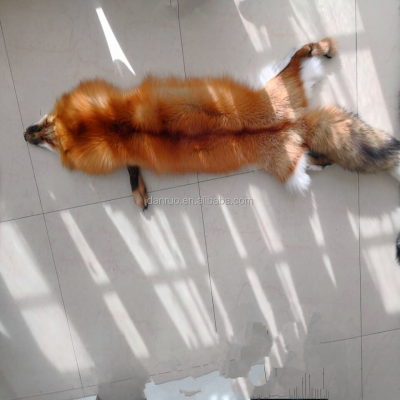
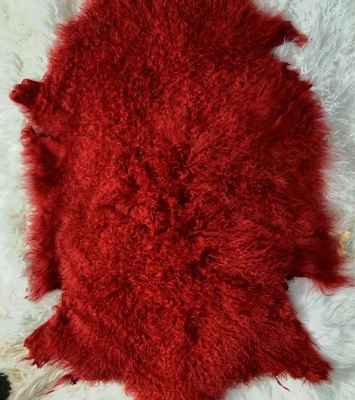
fur Sourcing Overview
-
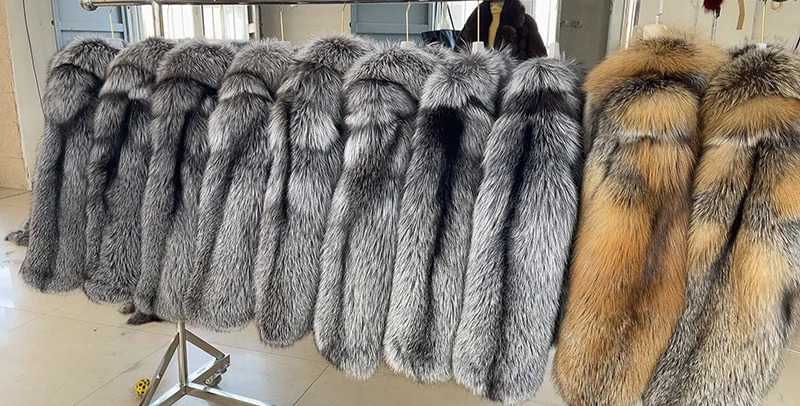
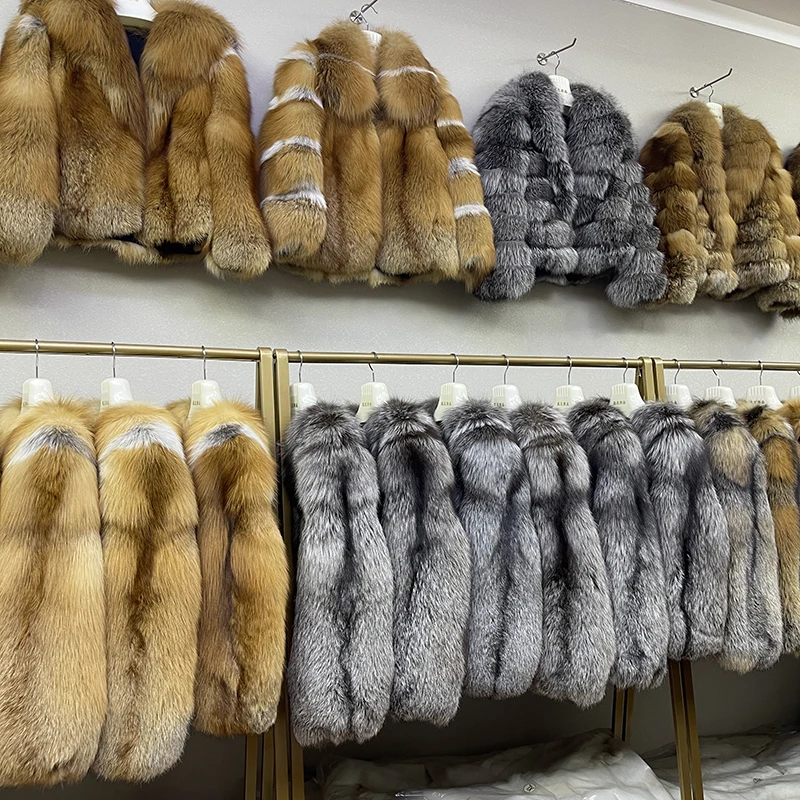
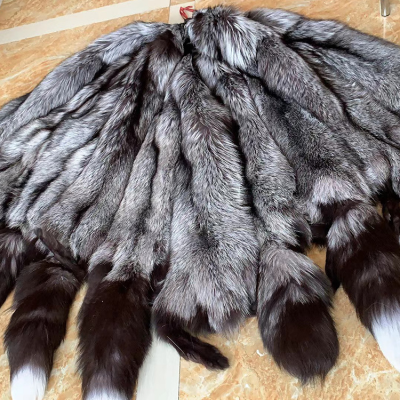
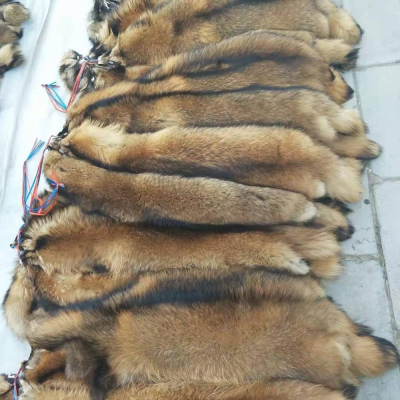
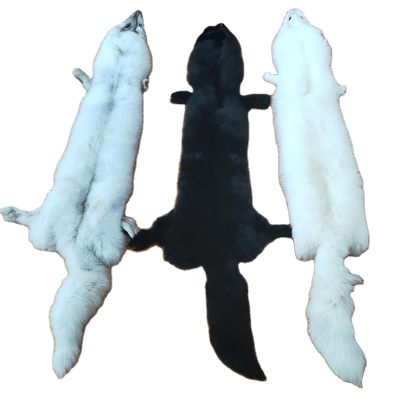
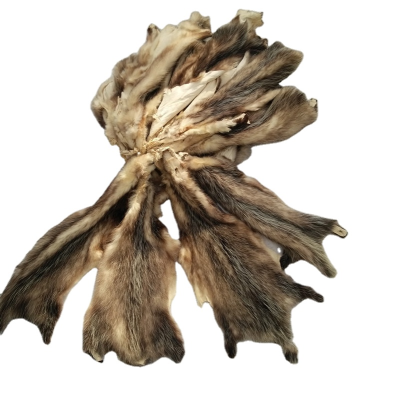
Material Selection Risk Overlooking the distinction between genuine fur types like mink or raccoon and synthetic options such as polyester or acrylic often leads to mismatched quality expectations and regulatory issues, especially in markets sensitive to animal products.
-
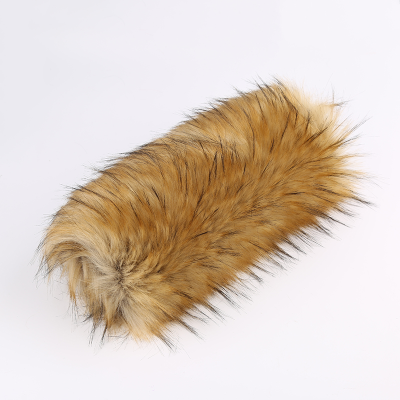
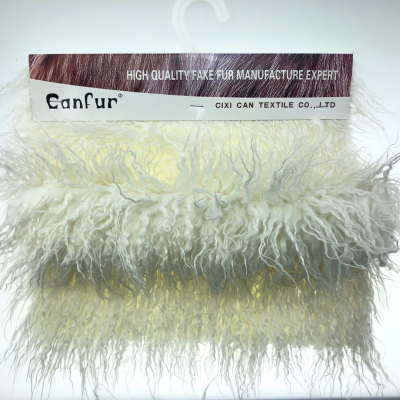
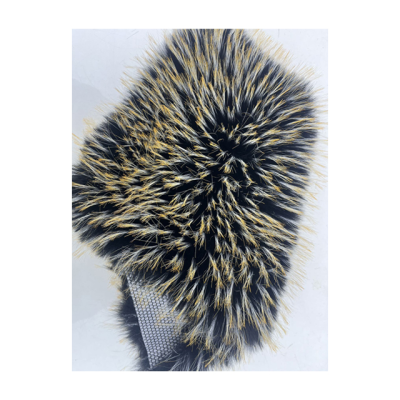
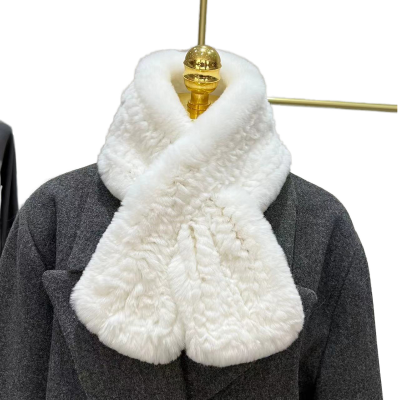
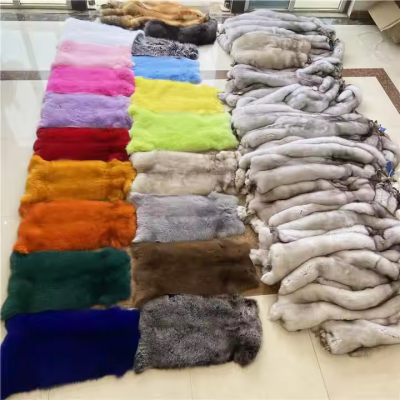
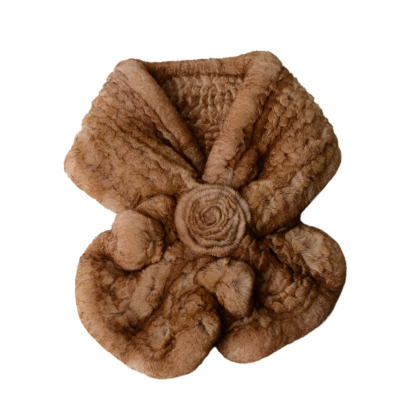
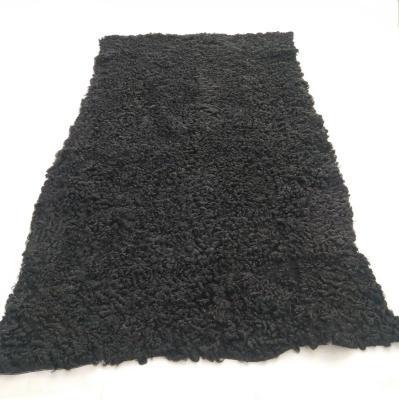
Specify Product Type Clearly Insist on precise definitions between categories like fly tying materials, faux fur fabric, and fur collars to ensure the supplier delivers the correct form and finish tailored to your end-use requirements.
-
Functional Performance Considerations In practice, suppliers often emphasize warmth and tear resistance for winter and autumn applications, but verifying shrink resistance claims is crucial to maintain garment integrity over repeated use.
-
Dimension and Seasonal Suitability Impact Width options of 58/60 inches (1.85 meters) can significantly affect fabric yield and cost efficiency, so align your order volume with seasonal demand peaks in autumn and winter to optimize inventory turnover.