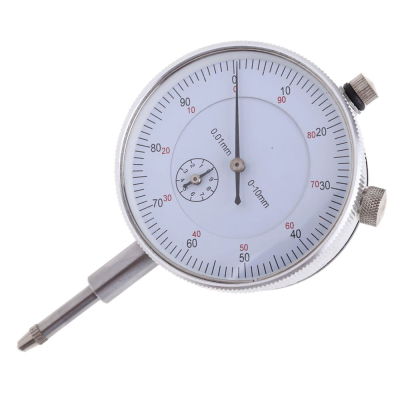
gauges Sourcing Overview
-
Material Selection and Durability Risks Overlooking the impact of material choice often leads to premature gauge failure; steel variants like stainless steel offer corrosion resistance, while black steel may suit less demanding environments but risk rust.
-
Certification Requirements for Compliance Negotiate clear proof of certifications such as ISO 9001, CE, and RoHS to ensure the gauges meet international quality and safety standards essential for regulatory acceptance.
-
Accuracy Levels and Market Norms Experienced buyers typically prioritize high accuracy ratings for critical measurements, with accuracy classes 0 and 1 being standard for precision applications, whereas class 2 suits general use.
-
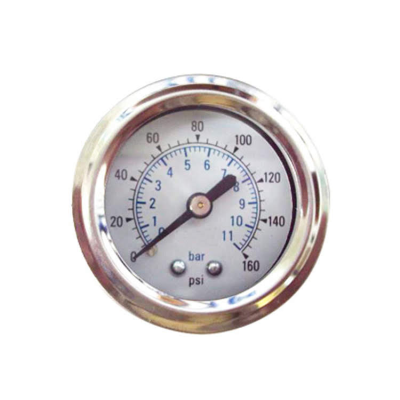
Display Type and Measuring Range Trade-offs The trade-off between digital and pointer displays depends on user preference and application; digital offers precise readings within ranges like 0-150 mm, while pointer gauges excel in quick visual checks, especially for pressure ranges from low to high.