hammers Sourcing Overview
-
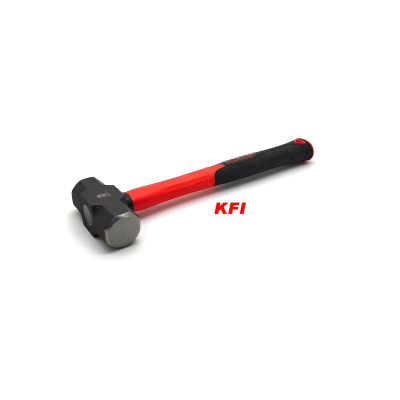
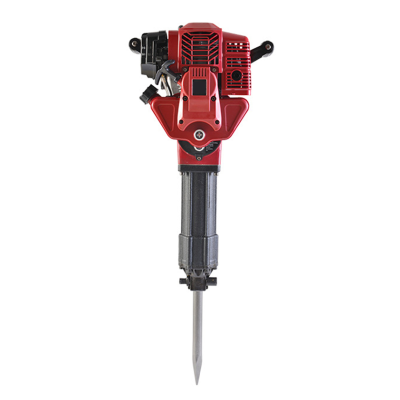
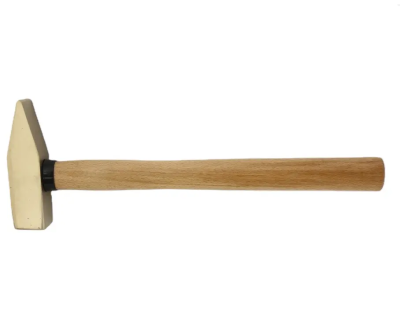
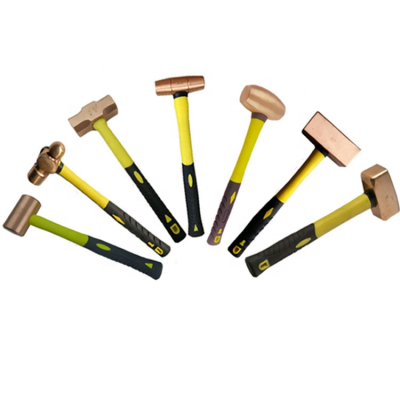
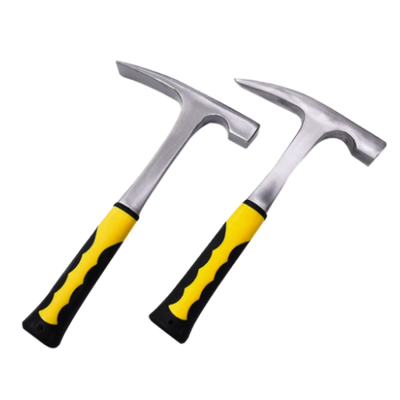
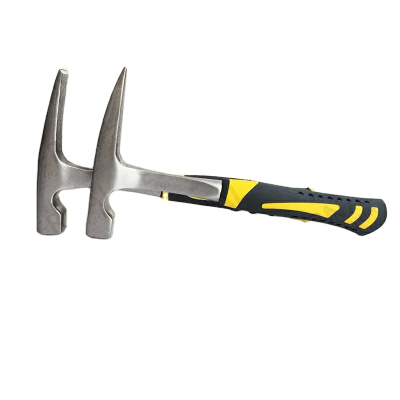
Diverse Hammer Types and Their Applications Overlooking the specific hammer type needed for your tasks often leads to inefficiency; for instance, choosing a sledge hammer for precision woodworking can cause damage, while a claw hammer suits general carpentry well.
-
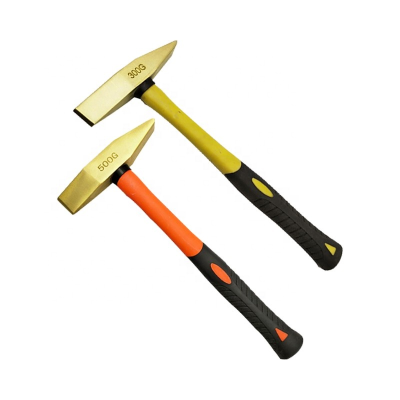
Material and Handle Composition Negotiation Insist on clarifying both the hammer head and handle materials, as options range from high carbon steel heads to fiberglass or rubber handles, which significantly affect durability and user comfort.
-
Certification as a Quality Assurance Benchmark In practice, most reputable suppliers provide CE, ISO 9001, GS, or RoHS certifications, which serve as reliable indicators of compliance with safety and quality standards.
-
Weight Specification Impact on Cost and Usability The hammer's weight, varying from 8 oz to 5 kg, can account for up to 30% of total user efficiency and procurement cost; selecting the right weight balances operator fatigue against task demands.