ZHONG SHAN MEILONG ELECTRONIC CO.,LTD
Lead Time 30 DaysAverage Response 6-24hEscrow Service1 Reviews
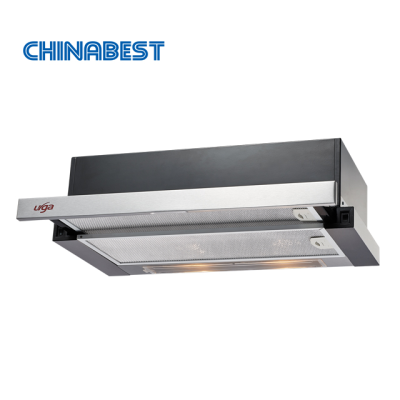
Main Products:Gas Stove, Range Hoods, Induction
Address:Zhongshan,Guangdong,China
Export Year:2019-11-19


Diverse Product Variants Require Clear Specification Overlooking the exact type of hood needed—whether a wall-mounted range hood, island hood, or slim hood—often leads to compatibility and performance issues; specifying the precise model and accessory requirements upfront avoids costly mismatches.
Certification Compliance as a Non-Negotiable Insist on hoods certified with relevant standards such as CE, UL, or RoHS to ensure safety, electromagnetic compatibility, and environmental compliance, which are critical for both regulatory approval and long-term reliability.
Material Selection Influences Durability and Aesthetics In practice, most premium kitchen hoods combine stainless steel with tempered glass or advanced steel to balance durability with modern design, while plastic or PP options typically cater to budget segments but may compromise longevity.
Noise Level Directly Affects User Satisfaction and ROI A noise rating above 50 dB can significantly impact kitchen comfort and may lead to higher warranty claims or replacements, so targeting models with noise levels ≤40 dB can enhance user experience and reduce after-sales costs.