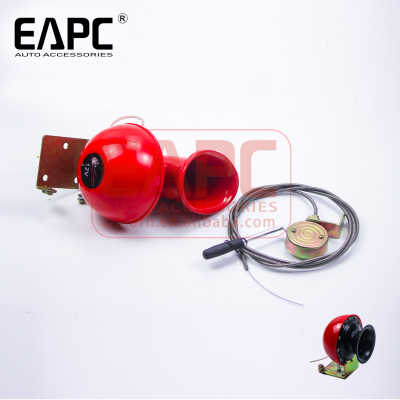
horn Sourcing Overview
-
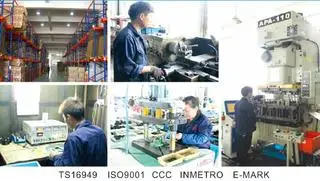
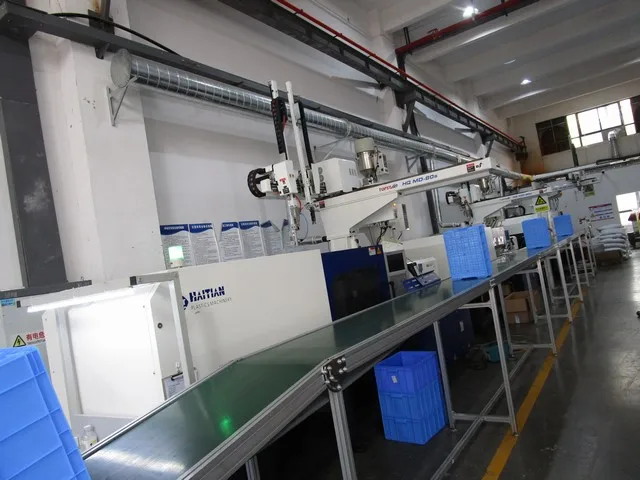
Certification Compliance and Quality Assurance Overlooking certifications like ISO 9001, CE, and EMark often leads to sourcing substandard horns that fail regulatory requirements or quality benchmarks, so prioritize suppliers with these certifications to ensure product reliability and market acceptance.
-
Material Selection Impact Negotiate for aluminum alloy horns if durability and corrosion resistance are priorities, while ABS options might offer cost savings but could compromise longevity in harsh environments.
-
Sound Level Standards and Application Fit In practice, most truck and automotive horns operate around 102 ± 3 dB (A) to 110 dB, so selecting a horn with an appropriate sound level tailored to your vehicle type and local noise regulations is crucial for compliance and effectiveness.
-
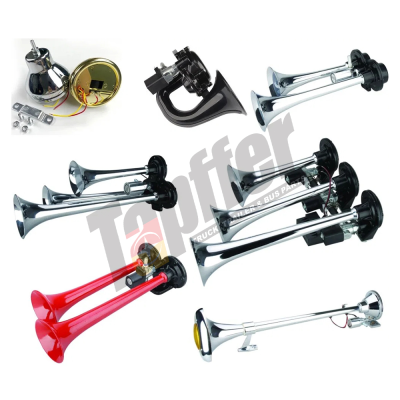
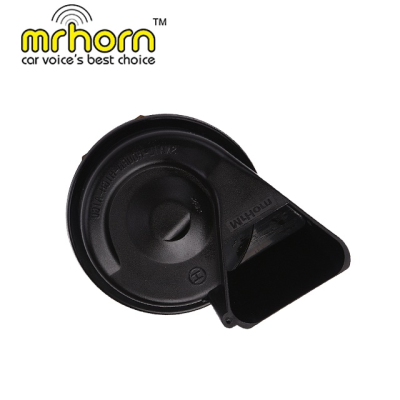
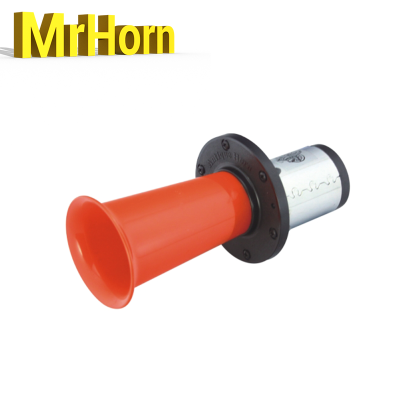
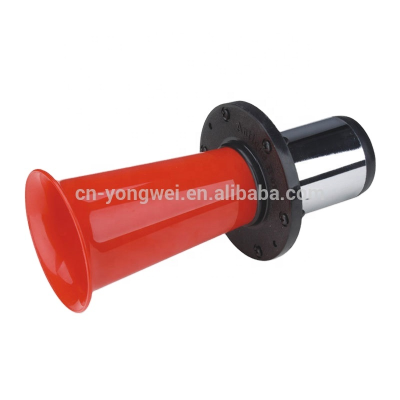
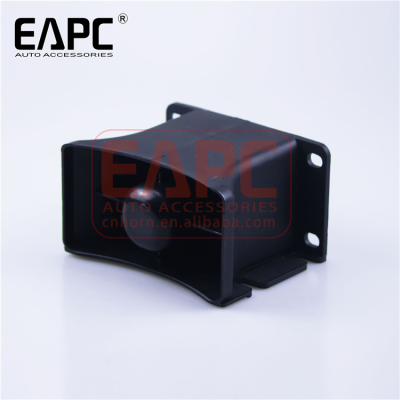
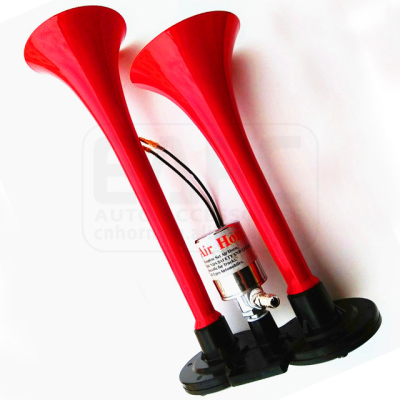
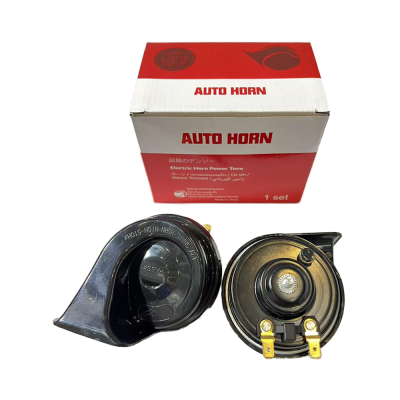
Product Type and Functional Differentiation A critical question to pose your supplier is whether the horn is an air horn, electric horn, siren, or anti-theft alarm, as each serves distinct operational purposes and installation requirements that directly influence compatibility and user needs.