indicator Sourcing Overview
-
Accuracy Specification Risks Overlooking the required precision can lead to significant measurement errors; for instance, choosing an indicator with ±0.5% FS accuracy when 0.1 kg or 0.0001 g precision is needed will compromise data reliability.
-
Certification Compliance Necessity Insist on indicators certified with ISO 9001 and CE at minimum, as these ensure quality management and safety standards; certifications like RoHS and CCC also safeguard environmental and regional compliance.
-
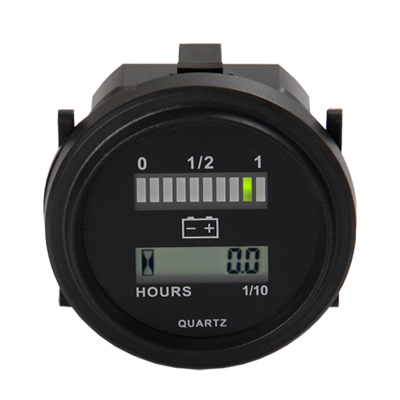
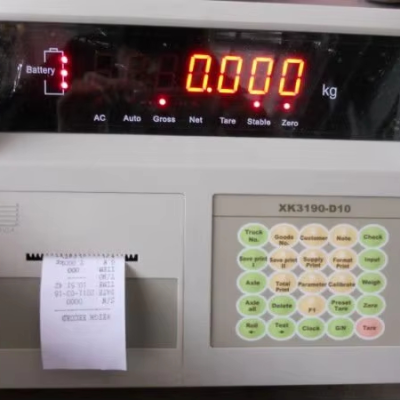
Display Type Selection Insight Experienced buyers typically select display types based on operational environment and user interface needs, with LED and 4-digit LCD being common for clarity, while OLED offers better contrast in low-light conditions.
-
Material and Power Supply Trade-offs The choice between stainless steel and aluminum impacts durability and cost, while power supply options from DC 12-24 V to AC 220 V affect installation complexity and energy consumption; balancing these factors is key to optimizing total cost of ownership.