intel Sourcing Overview
-
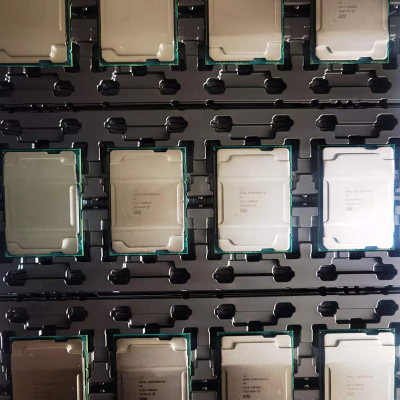
Processor Model Selection Risks Choosing an inappropriate processor model, such as mixing desktop-focused Core i series with server-grade Xeon models, can lead to performance mismatches and compatibility issues in your target applications.
-
Core Count and Frequency Negotiation Request specific core counts and CPU frequencies aligned with workload demands; for instance, 10-core or 38-core options paired with frequencies up to 4.3 GHz cater to high-performance needs, while dual-core variants suffice for basic tasks.
-
Thermal Design Power (TDP) Considerations In practice, suppliers typically offer CPUs ranging from 55 W to 150 W TDP, so anticipate cooling and power supply requirements to scale accordingly with higher TDP processors.
-
Chip Process Technology Impact on Cost and Efficiency The chip manufacturing process node, such as 10 nm versus 14 nm, can account for significant differences in power efficiency and pricing; opting for newer 10 nm chips often yields better performance per watt but may come at a premium.