knife Sourcing Overview
-
Material Suitability and Durability Risks Overlooking the choice of material often leads to poor knife performance or premature wear; for instance, stainless steel offers corrosion resistance ideal for kitchen knives, while carbon steel provides superior sharpness favored by professionals but requires more maintenance.
-
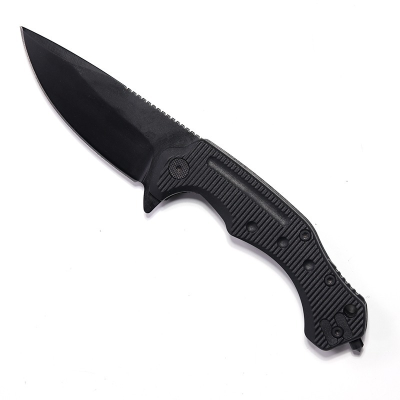
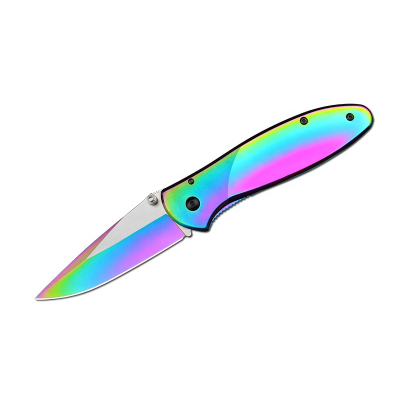
Specify Product Type According to Use Case Negotiate clear product type definitions with your supplier, distinguishing between options like a fixed blade knife for hunting or a kitchen knives set for home chefs to ensure the knife matches the intended application.
-
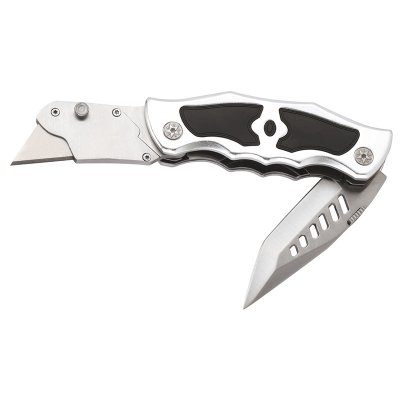
Target Group Customization Insight In practice, knives designed for outdoor enthusiasts or survival users emphasize ruggedness and multi-functionality, whereas knives for housewives or gift markets prioritize aesthetics and ease of use, influencing design and feature choices.
-
Length and Weight Trade-Offs Impact Handling The trade-off between length and weight directly affects user comfort and control; a 6-inch knife weighing around 97 grams suits everyday carry (EDC) users, while a heavier 9-inch blade near 186 grams may be preferred for industrial or heavy-duty tasks.