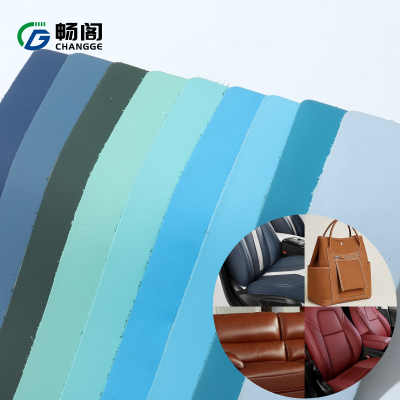
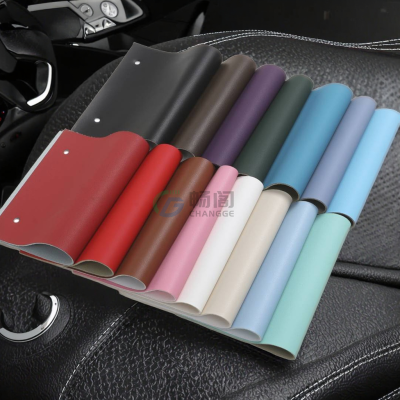
leather Sourcing Overview

Material:
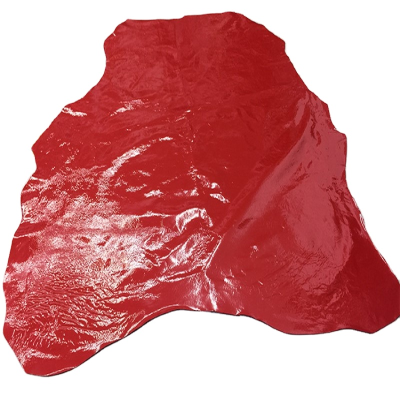
Pu LeatherSynthetic LeatherFaux LeatherArtificial LeatherMicrofiber LeatherPvc LeatherGenuine LeatherSuede LeatherLeatheretteCowhide Leather
Thickness:
0.7 mm0.8 mm0.8-1 mm0.9 mm1.2 mm
Pattern:
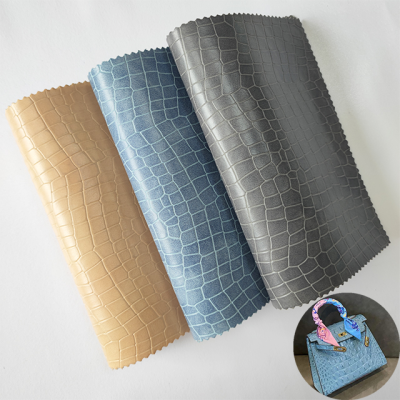
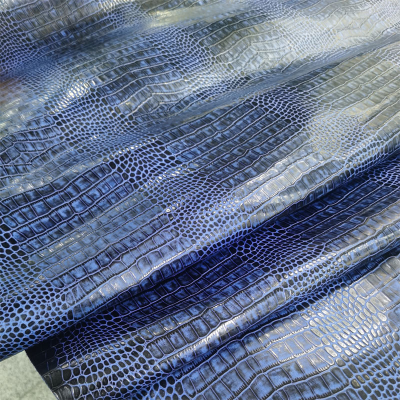
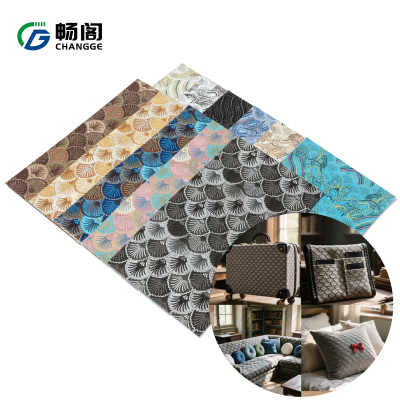
EmbossedCrocodile PatternPopular PatternedPrint
Certification:
Conform EU StandardsCEGRS CertificateREACH CertificateOeko-Tex Standard 100
Origin Country:
China (Mainland)TaiwanIndiaViet NamPakistanEgyptSpainArgentina
  • Material Selection Risk Choosing the wrong type of leather, such as synthetic variants like PU or PVC leather instead of genuine or cowhide leather, often results in compromised durability and customer dissatisfaction; understanding the end-use is crucial to avoid costly returns.

  • Thickness Specification Recommendation Insist on specifying leather thickness precisely, ranging from 0.7 mm to 1.2 mm, as this directly affects product flexibility and strength, especially for applications requiring sturdiness like upholstery or footwear.

  • Certification and Compliance Insight In practice, most reputable suppliers will hold certifications like REACH, Oeko-Tex Standard 100, or GRS, which not only ensure compliance with EU standards but also signify environmentally responsible sourcing.

  • Origin and Pattern Cost Trade-off While leather from countries like Spain or Argentina may carry a premium due to quality and heritage, patterned options such as embossed or crocodile patterns can also increase costs; balancing origin and aesthetic preferences impacts overall procurement budget significantly.

No results

No suppliers match the current filters

Frequently Asked Questions