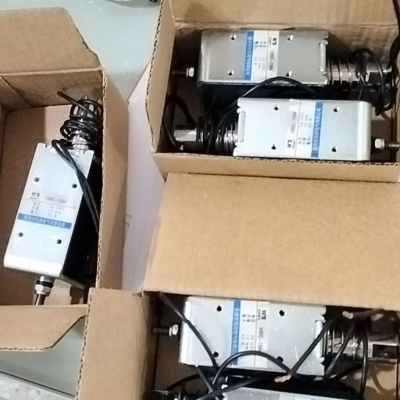
magnetic Sourcing Overview
-
Material Selection Risk Overlooking the specific magnetic material type can lead to suboptimal performance; for example, Neodymium Iron Boron offers strong magnetic strength but may be less corrosion-resistant than Ferrite or Rubber magnets.
-
Specification Negotiation Insist on clearly defining the product type and magnetization direction upfront, as options range widely from Sintered Magnets to Magnetic Assemblies, with magnetization customizable either axially or diametrically to suit your application.
-
Certification Expectations In practice, most reputable suppliers hold ISO 9001 and RoHS certifications, but for automotive or aerospace sectors, ITAF 16949 or ISO/TS 16949 compliance becomes critical to ensure quality and traceability.
-
Grade and Cost Trade-off The choice of magnet grade, from N35 up to N52, directly affects both magnetic strength and cost; higher grades like N52 provide superior performance but can increase unit price significantly, impacting overall procurement budget.