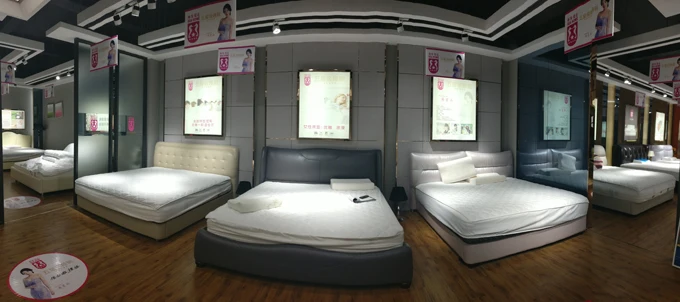
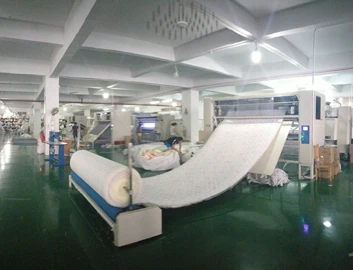
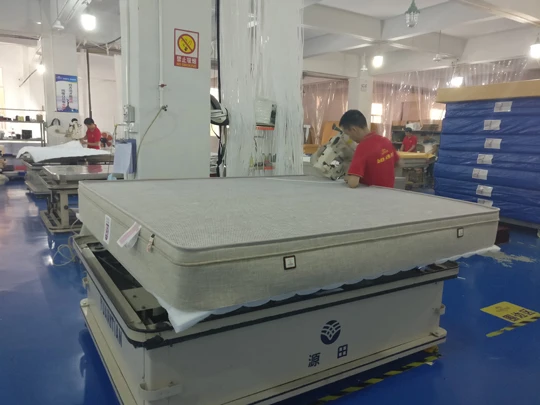
JIANGMEN CITY QUEENDOM FURNITURE CO.,LTD.
Lead Time 25 DaysAverage Response ≤ 6hEscrow Service4 ReviewsEstablished 10 Years+
Main Products:Mattress,Beds,Bed Base
Address: Shaping Julong Village Development Zone, Heshan City Jiangmen Guangdong China
Export Year:2008-08-20
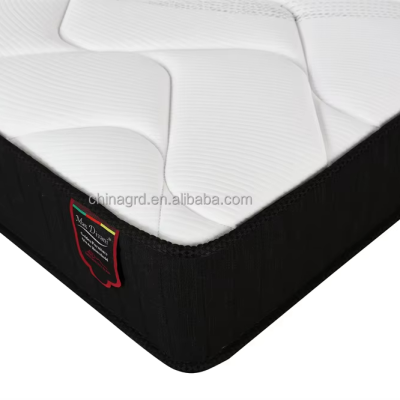
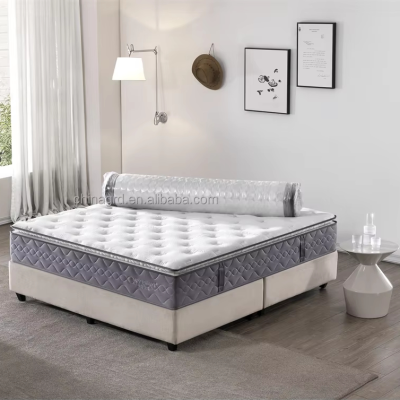
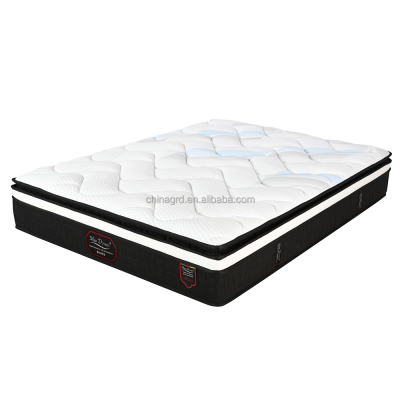
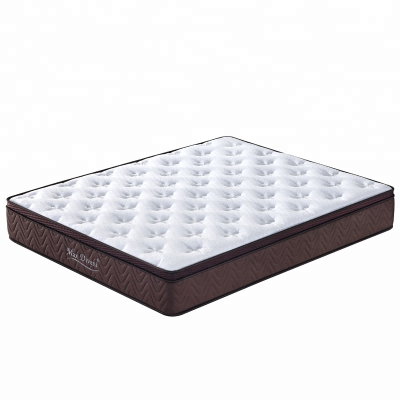
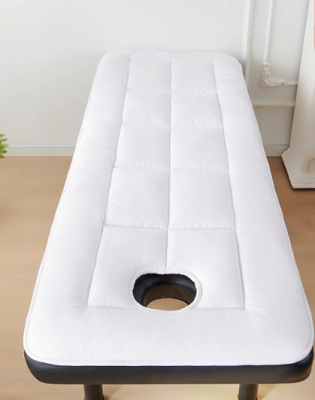
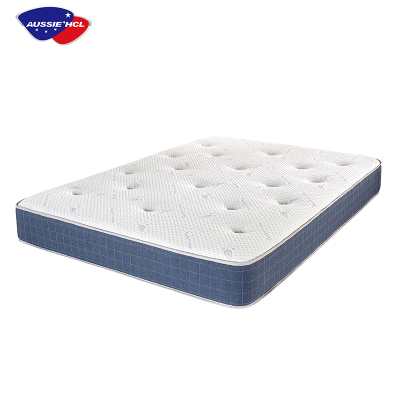
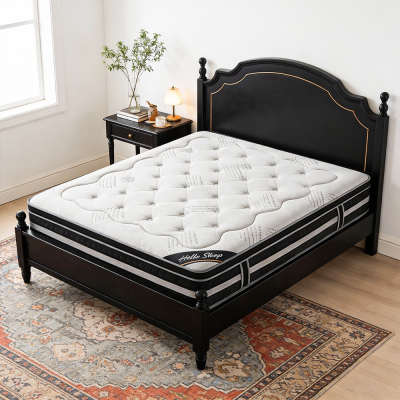
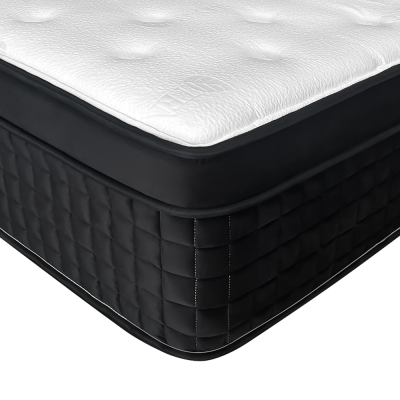
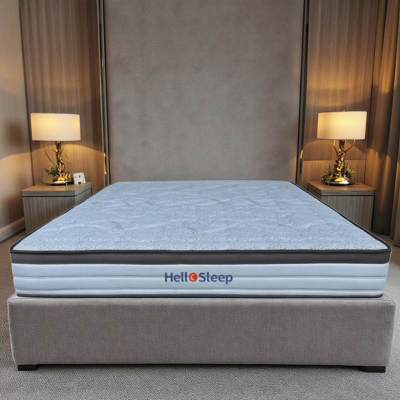
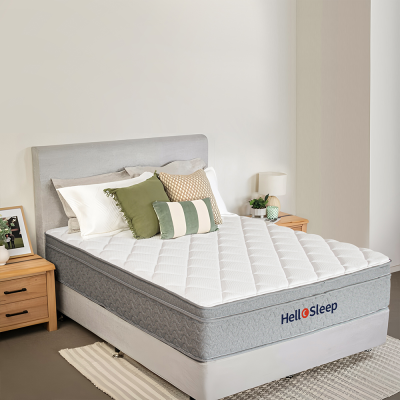
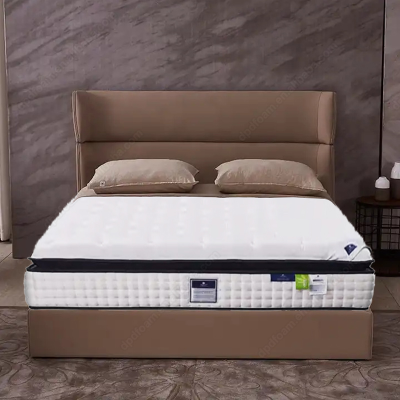
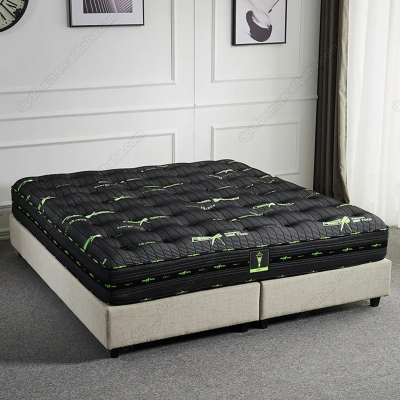
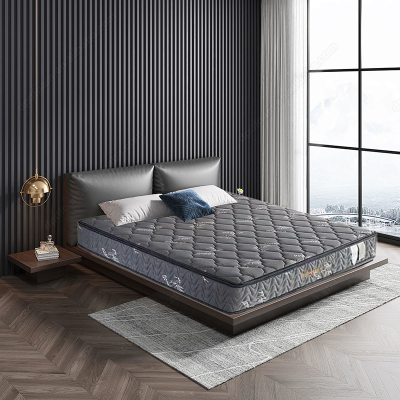
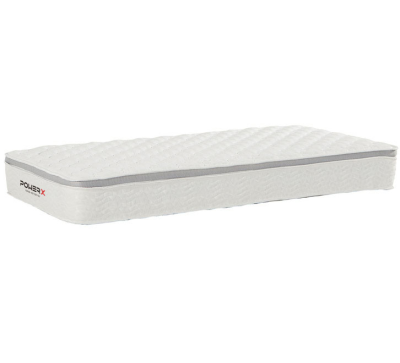
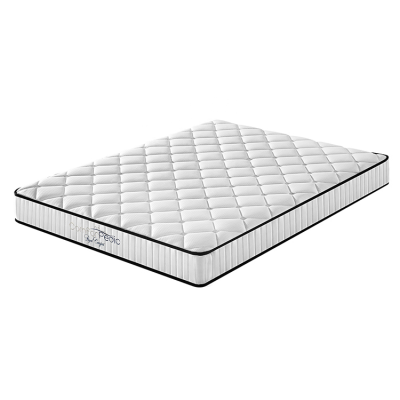
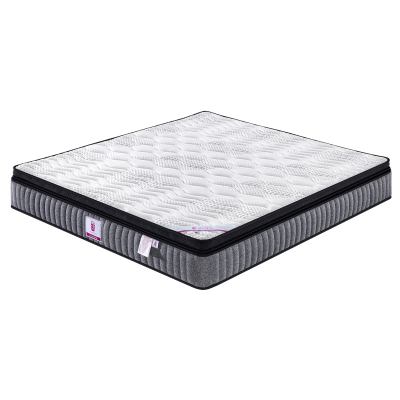
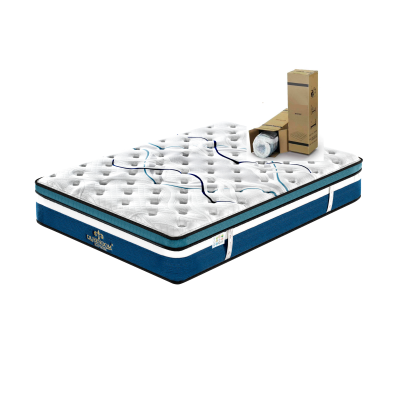
Hotel Bedroom Furniture Compress Foam Mattress Queen King Size Bonnell Spring Coils Bed Mattress Matelas Colchon in a Box Consistent Support Sprung Mattress Health Care king Size Mattress Medium Firm Compress Memory Foam Bed Mattress Hotel Chinese Soft Foam Mattress Pocket Spring Competitive Mattress