measurements Sourcing Overview
-
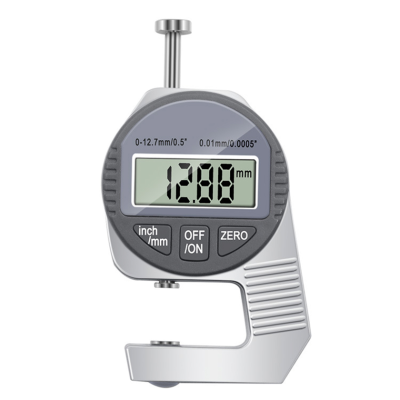
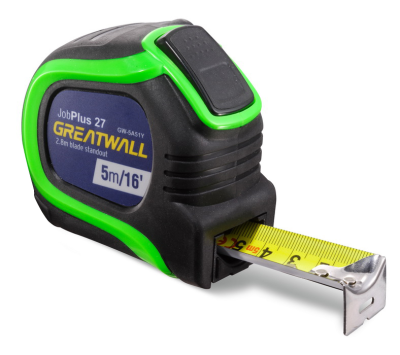
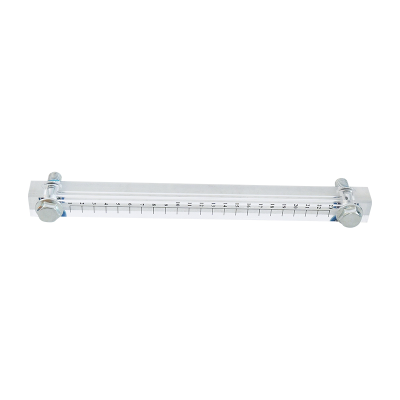
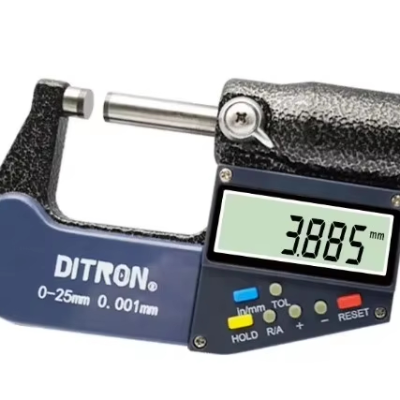
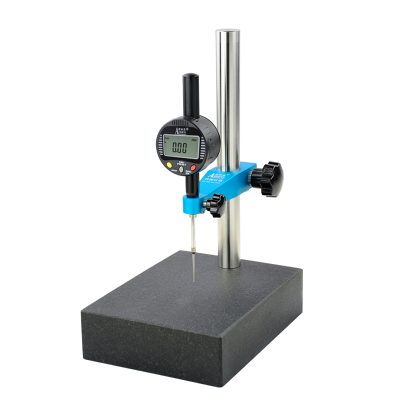
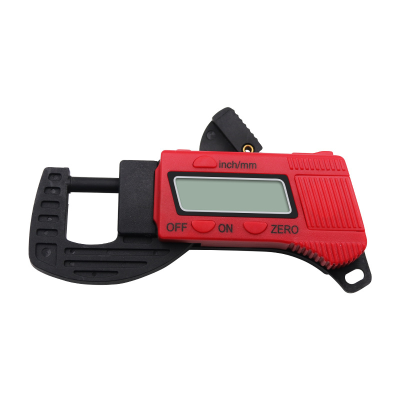
Measurement Type Selection A common mistake is underestimating the importance of choosing the right measurement tool type, such as micrometers for precision or inspection surface plates for flatness; mismatching the tool to the application can severely impact accuracy and efficiency.
-
Unit Compatibility Specification Insist on clear specifications regarding measurement units—whether millimeter, inch, or dual metric & inch—to ensure seamless integration with your existing processes and avoid costly conversion errors.
-
Certification and Compliance Standards In practice, most reputable suppliers provide certifications like ISO, CE, or RoHS; prioritizing these ensures compliance with international quality and safety standards, reducing risks of regulatory issues.
-
Material and Weight Considerations Choosing between materials such as stainless steel, plastic, or aerometal directly affects durability and handling, while weight variations from 0-100 kg up to 170 kg influence installation and transport costs significantly.