Qingdao Tlead International Co., Ltd.
Lead Time 23 DaysLow MOQ 1 PiecesAverage Response 6-24hEscrow Service7 Reviews


Main Products:pH Meters, Counter Meters, Arbor Press, Tools, Ddvp
Address:Qingdao,Shandong,China
Export Year:2004-05-12

User Application Alignment Overlooking the intended target group often leads to selecting a microscope that is either too basic or unnecessarily complex; ensure the model suits specific needs, whether for students, medical professionals, or industrial use, to maximize functionality and user satisfaction.
Optical Principle Specification Negotiate clearly on the optical principle required—whether optics, electronic, phase contrast, or differential interference contrast—as this fundamentally affects image quality and suitability for tasks like metallurgical analysis or veterinary diagnostics.
Industry Certification Importance In practice, suppliers offering microscopes with certifications such as CE, FDA, ISO 9001, ISO 13485, or TUV typically adhere to higher quality and safety standards, which is crucial especially for medical and professional laboratory environments.
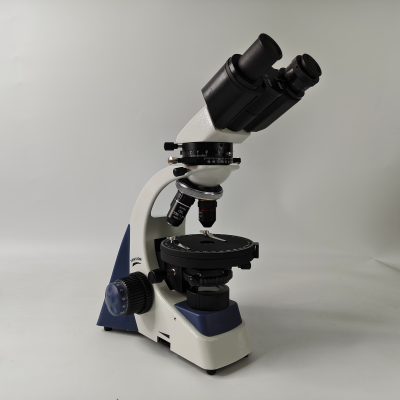
Material and Configuration Trade-offs The choice between monocular, binocular, or trinocular designs combined with materials like aluminum alloy, synthetic sapphire, or plastic directly influences durability and cost; balancing these factors according to usage scenarios can optimize investment returns.