mill Sourcing Overview
-
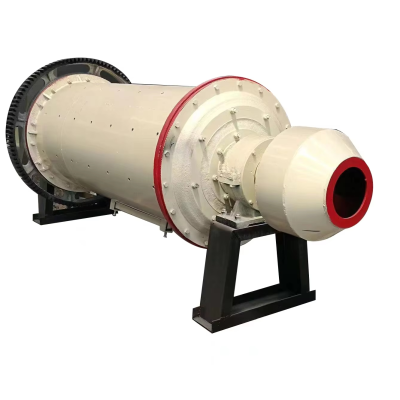
Material Suitability and Wear Resistance Overlooking the compatibility of mill materials with the substances being processed often leads to premature wear or contamination; for example, choosing zirconia or silica sand components must align with the abrasive or chemical nature of your input like quartz or cement.
-
Capacity Matching to Operational Demand Negotiate the mill capacity carefully, ensuring it meets your throughput needs without excessive oversizing; options range from 60 t/24h for smaller operations up to 400 t/24h for industrial scale, directly influencing efficiency and cost.
-
Power Requirements and Energy Consumption In practice, mills with power ratings from 290 kW to 1950 kW show significant variance in energy use, so selecting a mill with an appropriate power rating is crucial to balancing operational costs and performance.
-
Equipment Weight and Installation Considerations A critical question to ask your supplier is how the mill's weight—ranging from 2 tons to 320 tons—affects foundation requirements and transportation logistics, as heavier equipment demands more robust infrastructure and higher installation costs.