model Sourcing Overview
-
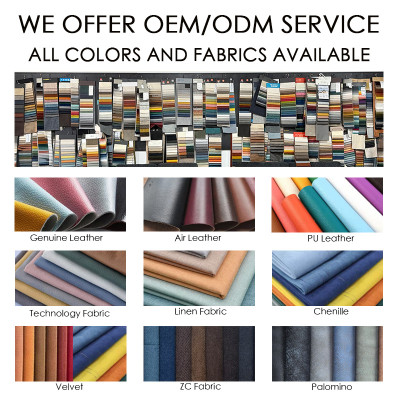
Material Suitability and Durability Overlooking the choice of material can lead to models that fail under intended use; for instance, selecting photosensitive resin or ABS plastic might offer precision but could compromise durability compared to metal or wood, especially in educational or industrial settings.
-
Specification of Scale and Dimensions Insist on exact scale and size specifications such as 1:100 or 1:200 and dimensions like 80 x 32 x 39 cm to ensure the model fits its display or functional purpose without requiring costly adjustments later.
-
Certification Compliance In practice, most reputable suppliers provide models certified with ISO, CE, or RoHS, which guarantees adherence to safety and quality standards crucial for medical or educational equipment.
-
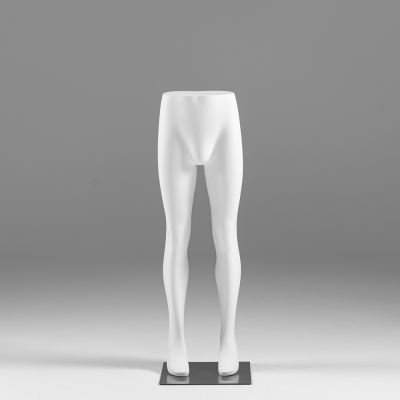
Product Type Alignment with Application A critical question to pose is whether the model type—be it a human skeleton, architectural model, or ship model—matches the buyer’s intended use, as this directly affects the model’s design complexity and cost.