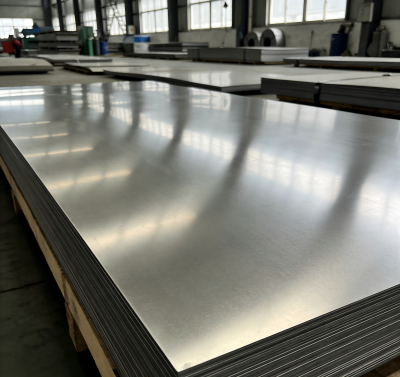
nickel Sourcing Overview
-
Material Selection Risks Choosing the wrong nickel grade, such as confusing Ni 201 with high-performance alloys like Inconel 690 or Hastelloy C276, often leads to premature failure in corrosive or high-temperature environments.
-
Product Form Specification Insist on specifying the exact product type—tube, strip, wire, or powder—because each form suits distinct manufacturing processes and end-use applications, directly impacting compatibility and performance.
-
Standards Compliance Insight In practice, most suppliers align with ASTM and ASME standards like B162 and SB-160, but buyers targeting international markets should verify conformity with regional standards such as JIS or DIN to avoid certification issues.
-
Thickness and Condition Trade-offs The trade-off between thickness (ranging from 0.1 mm foil to 16 mm plates) and material condition (soft, annealed, bright) depends on your application’s mechanical and surface finish requirements, influencing both cost and processing complexity.