nylon Sourcing Overview
-
Material Selection Complexity Overlooking the diversity in nylon types—ranging from Nylon 6 to recycled polyester—often leads to mismatched performance and sustainability goals; prioritize materials that align with your product’s durability and environmental requirements.
-
Specification and Width Precision Insist on exact measurements such as 0.12 mm thickness or 25 mm width to ensure compatibility with your manufacturing processes, as even slight deviations can affect product quality and assembly.
-
Product Type Differentiation In practice, most suppliers categorize nylon products distinctly as thread, yarn, or bonded thread, so clarify the intended application—whether sewing or fastening—to avoid receiving incompatible product types like hook and loop instead of nylon sewing thread.
-
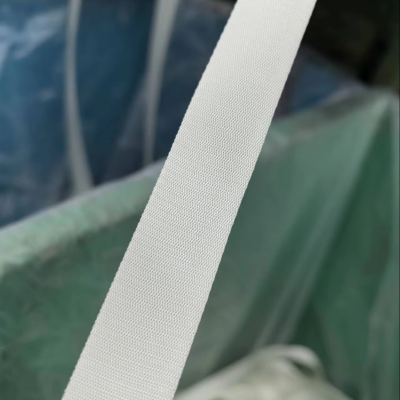
Pattern and Finish Considerations A critical question to pose is whether the nylon should be dyed, raw white, or braided, since these patterns influence both aesthetic appeal and functional properties, directly impacting final product cost and consumer acceptance.