oxford Sourcing Overview
-
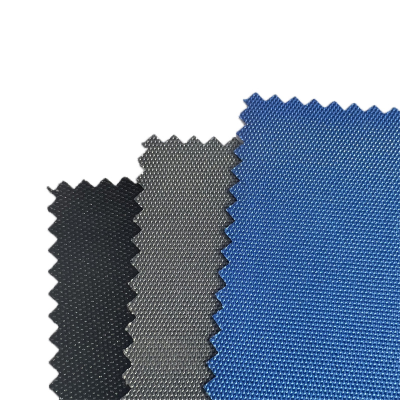
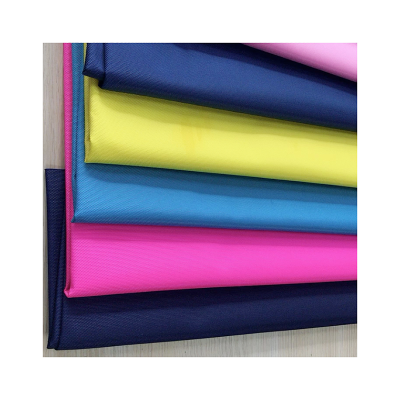
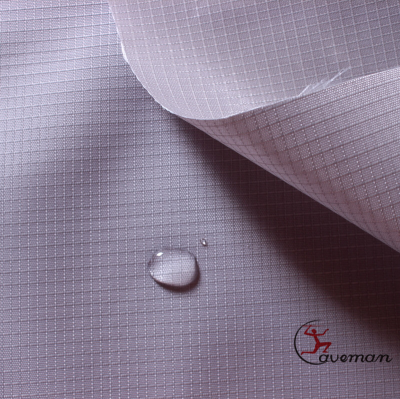
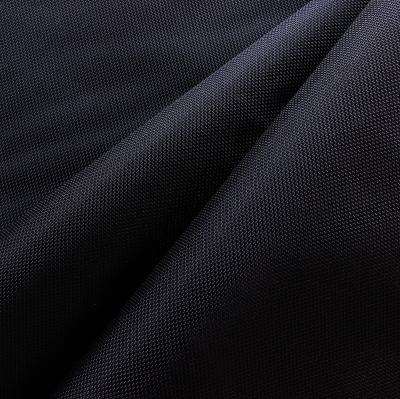
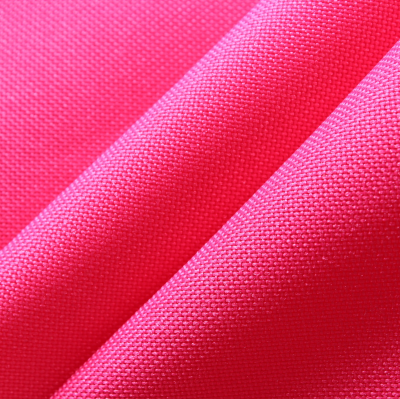
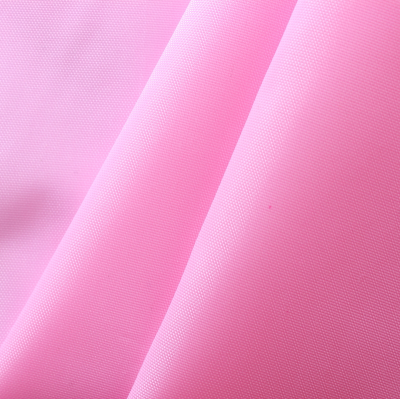
Material Selection Risks Overlooking the suitability of material types such as 600D or 1000D Oxford fabric versus tarpaulin can lead to durability issues; selecting the right blend of polyester, nylon, or PU coatings is critical to meet your product's end-use demands.
-
Functionality Specification Insist on clearly defining the required functions like waterproofing, flame retardancy, or heat insulation upfront, as these features directly influence fabric treatment choices and ultimately the product’s performance in real-world conditions.
-
Coating Variations and Market Norms In practice, most suppliers offer PVC or PU coatings, but the growing trend is toward PFC-free PU coatings for environmental compliance; understanding these options helps align procurement with sustainability goals and regulatory requirements.
-
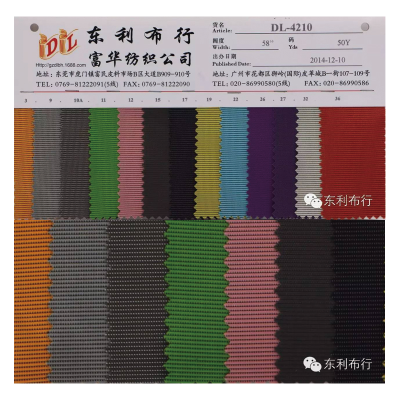
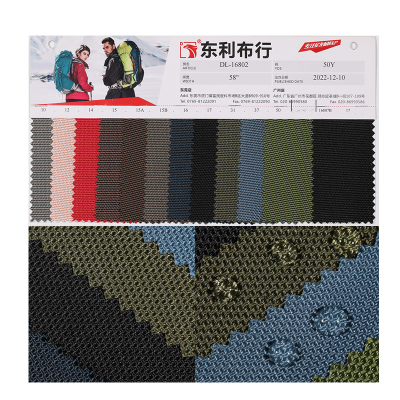
Width and Fabric Type Trade-offs The trade-off between fabric width options (57/58 inch vs. 58/60 inch) and fabric types like synthetic fiber versus taffeta affects both production efficiency and cost, so evaluate how these dimensions and textures fit your manufacturing process and budget constraints.