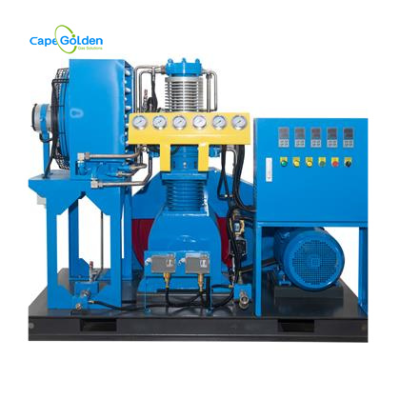
oxygen Sourcing Overview
-
Risk of Insufficient Purity Overlooking the oxygen purity level can severely compromise safety and efficacy; ensure the product meets at least 99.5% purity, with 99.999% or higher preferred for critical medical applications.
-
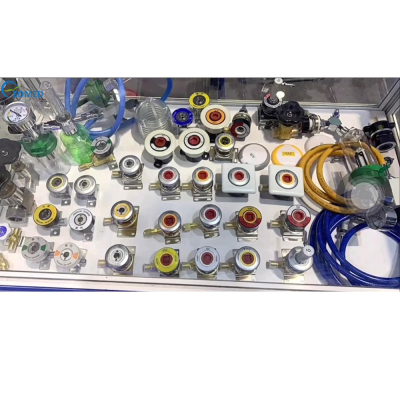
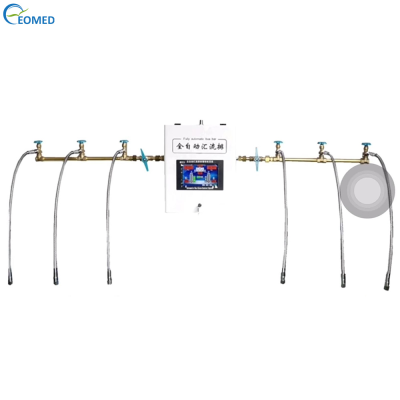
Direct Specification on Product Type Insist on clearly defining the oxygen product type—whether it's a portable concentrator, air separation plant, or regulator—as each serves distinct operational needs and impacts installation complexity.
-
Insider Insight on Capacity and Voltage Experienced buyers typically align oxygen system capacity (ranging from 3 Nm3 to 200 Nm3 per hour) with site demand and verify compatibility with local voltage standards like 110 V, 220 V, or 380 V to avoid costly modifications.
-
Certification as a Cost and Compliance Lever Certifications such as CE, ISO, FDA, and UL can account for up to 15% of total procurement cost but directly affect regulatory approval and long-term operational risk; prioritize suppliers with relevant accreditations.