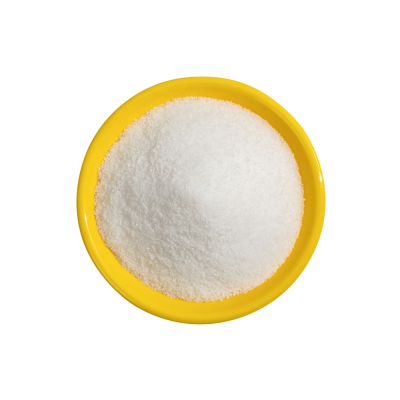
polymer Sourcing Overview
-
Material Compatibility and Specification A common mistake is neglecting the precise polymer type needed; choosing between polyether polyol, polyurethane, or acrylic polymers drastically affects product performance and compatibility with your application.
-
Product Type Selection for Application Fit Insist on clearly defining the product type—whether it’s a super absorbent polymer, adhesive, or silicone sealant—to ensure functional suitability and avoid costly reformulations.
-
Classification and Environmental Conditions In practice, most suppliers categorize polymers by curing method and thermal resistance; understanding if you require thermosetting, room curing, or high-temperature bearing materials is crucial for durability and process integration.
-
pH Range and Color Impact on Cost and Quality The pH range, spanning from 5.0 to 8, can account for up to 20% of total cost due to formulation complexity, while color choices like white or black may influence both pricing and end-use aesthetics, so weigh these factors carefully.