radios Sourcing Overview
-
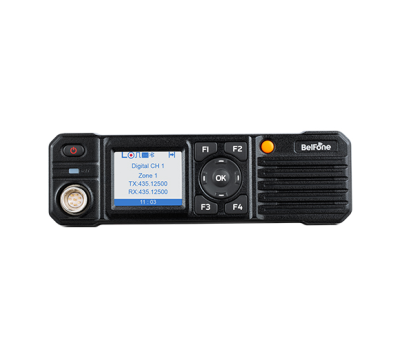
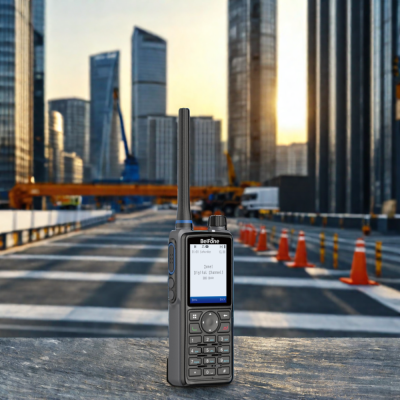
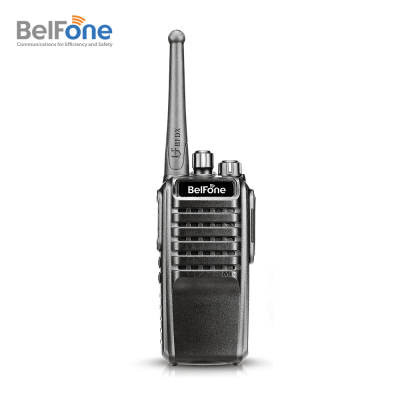
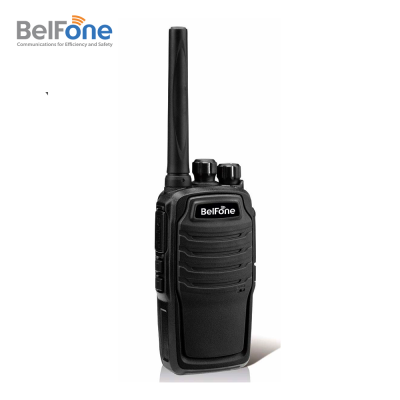
Frequency Range Selection Risks Overlooking the importance of matching the radio's frequency range to your operational bands often leads to compatibility issues; given options from 136 MHz up to 527 MHz, ensure the chosen model aligns precisely with your communication requirements to avoid costly rework.
-
Power Output Negotiation Insist on clarifying the output power specifications, as radios here range dramatically from 0.5 W to 125 W; higher wattage improves range but increases energy consumption and size, so negotiate based on your coverage needs versus power efficiency.
-
Weight and Battery Life Trade-offs The trade-off between device weight (90 g to over 1 kg) and standby time (from 4 days up to 13 days or 156 hours) depends on your users' mobility and endurance demands; lighter radios may have shorter battery life, so balance these factors carefully.
-
Ingress Protection Importance A critical question to pose your supplier is about the IP rating—options range from IP54 to IP67—which directly affects durability and suitability for harsh environments; higher ratings like IP67 offer better dust and water resistance but can increase cost and weight.