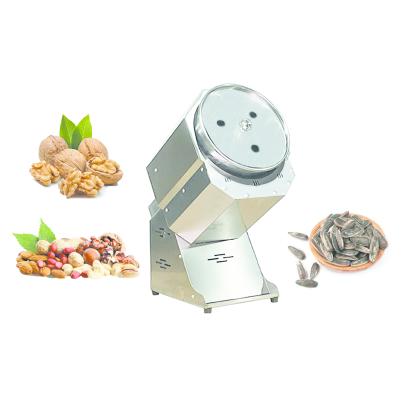
roast Sourcing Overview
-
Capacity Matching to Production Needs Overlooking the correct capacity often leads to inefficiencies; selecting from options like 1 kg up to 500 kg/h must align precisely with your expected throughput to avoid underutilization or bottlenecks.
-
Specify Power Requirements Clearly Insist on power ratings that correspond with your operational environment, considering that available options range from 0.4 kW to 35 kW, which will directly impact energy consumption and machine performance.
-
Material Suitability for Durability and Hygiene In practice, most buyers prefer stainless steel 304 or food-grade materials for roasting machines to ensure longevity and compliance with food safety standards, while carbon steel and drum wok options may suit different roasting types but require careful evaluation.
-
Weight Implications on Installation and Cost The weight of the roaster, varying from 65 kg to 880 kg, can account for significant handling and installation costs; heavier units might demand reinforced flooring or specialized equipment, affecting your total procurement budget.