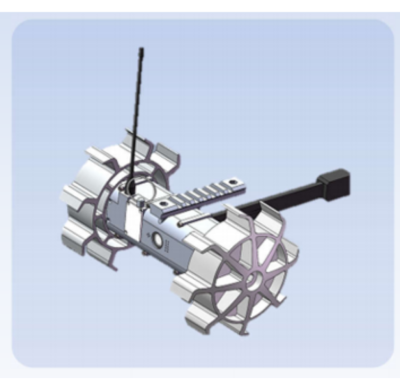
robot Sourcing Overview
-
Diverse Robot Types and Functions Require Clear Prioritization Choosing among robotic vacuum cleaners, industrial robots, or humanoid biomimetic robots demands a clear understanding of your primary application, as the functions vary widely from autonomous mobility and obstacle avoidance to material handling and voice interaction. Overlooking this alignment often leads to investing in features that don't match operational needs.
-
Battery Life and Payload Capacity Should Match Operational Demands Negotiate for battery specifications that support your usage patterns, whether that means 8-12 hours for extended shifts or ≥1500 cycles for longevity, while ensuring the payload capacity—from 3 Kg up to 200 Kg—meets the physical demands of your tasks without overpaying for excess capability.
-
Certification Compliance Reflects Quality and Regulatory Adherence In practice, most reputable suppliers will offer robots certified with ISO9001, CE, RoHS, or FCC standards, signaling adherence to quality, safety, and environmental regulations; prioritizing these certifications mitigates risks associated with non-compliance and substandard manufacturing.
-
Functionality Mix Directly Affects Total Cost of Ownership Features like waterproofing, remote monitoring, and energy-saving capabilities can account for up to 20% of the robot’s total cost, so balancing necessary functionalities against budget constraints is essential to optimize ROI without sacrificing critical performance.