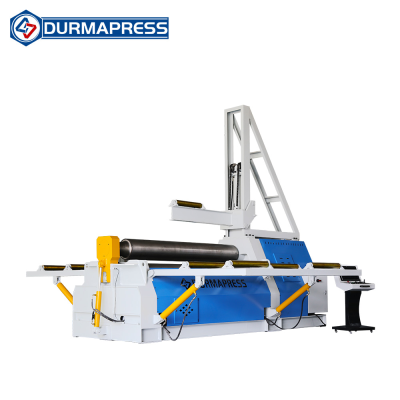
rolling Sourcing Overview
-
Material Selection Risks Choosing the wrong material for rolling components often results in premature wear or failure; for instance, selecting rubber or silicone for heavy-duty steel mill rolls would be inappropriate and costly.
-
Specify Product Type Clearly Insist on defining the exact product type you need—whether it's a caster, electric plate rolling machine, or alloy wheel—to ensure suppliers align their manufacturing capabilities with your operational requirements.
-
Certification as a Quality Benchmark In practice, suppliers certified with ISO 9001 and CE tend to maintain consistent quality standards, making these certifications a reliable indicator when evaluating vendors, especially from diverse origins like China, Taiwan, or Japan.
-
Roll Type Influences Cost and Functionality The choice between 4, 6, 8, or up to 20 roller configurations can account for a significant portion of your investment; higher roller counts typically offer better bending precision but come at increased cost and maintenance complexity.