Hebei Aojin Import and Export Co., Ltd.
Lead Time 30 DaysAverage Response 6-24hEscrow Service2 Reviews


Main Products:Graphite, Graphite Electrode
Address:Xingtai,Hebei,China
Export Year:2022-03-15


Material Selection Risks Overlooking the chemical composition can lead to application failures; for example, choosing Sodium Sulfide or Ammonia variants instead of pure Sodium Chloride could be detrimental depending on your use case.
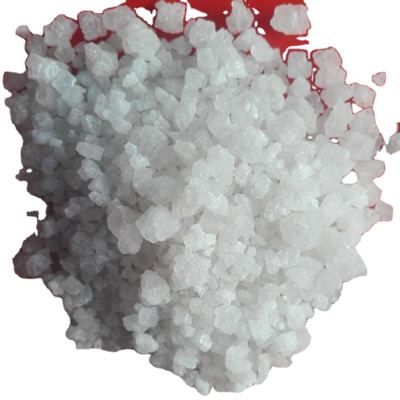
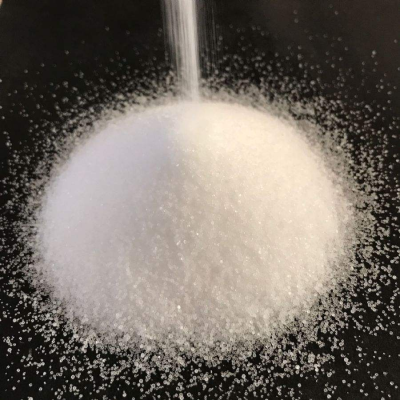
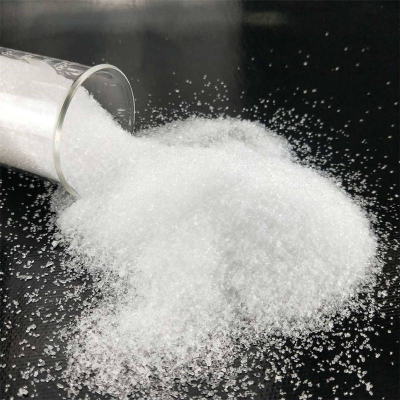
Specification Negotiation Insist on precise specifications like 99.5% minimum purity and appropriate granule size (e.g., 0.15-0.85 mm or 20-40 mesh) to ensure consistency and performance in your process.
Certification and Compliance Insights In practice, suppliers offering certifications such as ISO, FDA, and HACCP provide stronger assurance of quality and regulatory compliance, especially for food or pharmaceutical-grade salt.
Grade and Appearance Trade-offs The trade-off between Food Grade and Industrial Grade salt directly affects cost and usability; while Food Grade demands higher purity and certifications, Industrial Grade might offer cost savings but less stringent quality, so choose based on end-use requirements.