satellite Sourcing Overview
-
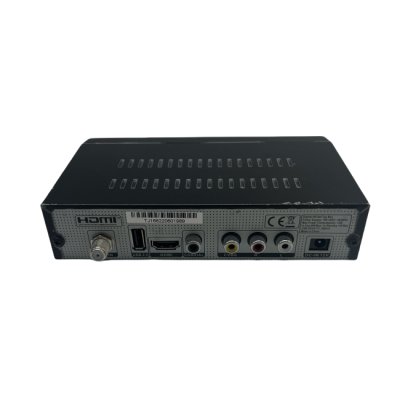
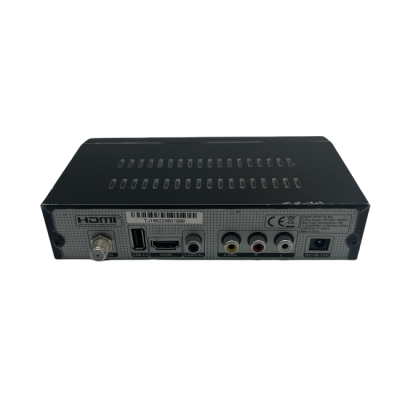
Avoiding Incompatible Product Mixes Purchasing a combination of satellite receivers, dish antennas, and set top boxes without verifying their interoperability often leads to installation headaches and poor signal performance, especially when mixing models like the S11 with the Orton Globo Optum HD X403P.
-
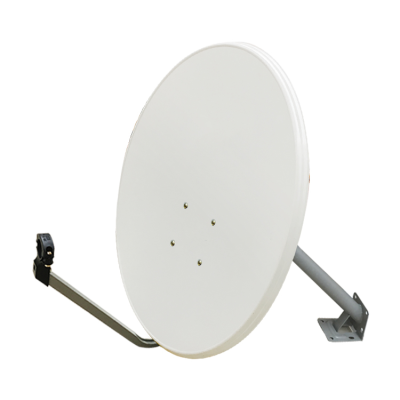
Specify Antenna Diameter Based on Coverage Needs Insist on antennas sized appropriately for your reception requirements; for instance, a large 11 m dish suits C Band signals over long distances, whereas a 2.4 m dish is typically adequate for Ku Band reception with less spatial footprint.
-
Market Norms for Drive Modes In practice, most suppliers offer motorized drive modes for easier satellite tracking, but manual options remain common for budget-sensitive projects or fixed installations; understanding this helps balance operational convenience against upfront costs.
-
Frequency Band Selection Impacts Cost and Performance Choosing between C Band, Ku Band, or combined C Ku Band directly affects both the equipment price and signal reliability, with C Band often commanding higher investment but offering better resistance to weather interference.