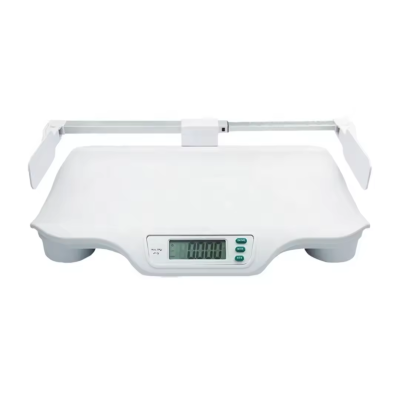
scale Sourcing Overview
-
Avoid Mismatched Scale Types Selecting the wrong scale type can severely impact operational efficiency; for instance, a pocket scale with 3 kg capacity won't suit industrial needs requiring a 150 kg floor scale. Ensure the scale type aligns precisely with the intended application to prevent costly mismatches.
-
Specify Capacity and Accuracy Requirements Clearly Insist on exact capacity and accuracy levels, such as 0.001 g precision for laboratory mini scales or 1 g for kitchen scales, to guarantee measurement reliability and compliance with your quality standards.
-
Display Technology Matters for Usability In practice, LED and LCD displays dominate the market for digital scales due to their readability, whereas mechanical hand displays persist in rugged environments; choose the display type that best fits user conditions and visibility needs.
-
Material Choice Directly Influences Durability and Cost The decision between stainless steel, plastic, or glass affects both longevity and price; stainless steel offers robustness for heavy-duty scales but at a higher cost, while plastic suits lightweight models with budget constraints.