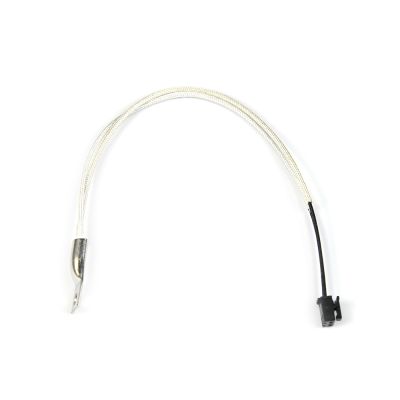
sensor Sourcing Overview
-
Environmental Protection Considerations Overlooking the correct IP rating often leads to premature sensor failure in harsh conditions; selecting between IP65, IP67, and IP68 must align precisely with the intended exposure to dust and water to ensure durability.
-
Material Selection Strategy Insist on specifying the sensor's material based on application demands, as options range widely from aluminum and stainless steel for robustness to semiconductor and organic materials for sensitivity, directly influencing performance and longevity.
-
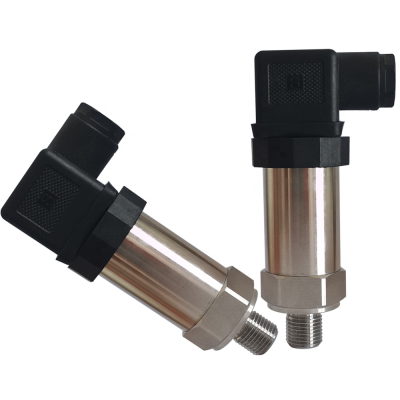
Sensor Type Alignment In practice, most suppliers categorize sensors by their functional type—Normal Pressure Transmitters, Magnetostrictive, Magnetic, or Metal Film Displacement Sensors—so choosing the right type is critical to match measurement principles with your operational needs.
-
Output Signal and Stroke Length Trade-offs The trade-off between analog, digital, and switching output signals depends on your control system compatibility, while stroke length options from 25 mm up to 23 meters, including customized lengths, directly affect integration complexity and cost.