Liaoning Sicheng Technology Co., Ltd.
Lead Time 30 DaysLow MOQ 1 PiecesAverage Response ≤ 6hEscrow Service1 Reviews


Main Products:Server, Workstation, Memory, Hard Disk
Address:No. 100 Sanhao Street,Heping District,Shenyang
Export Year:2020-07-14


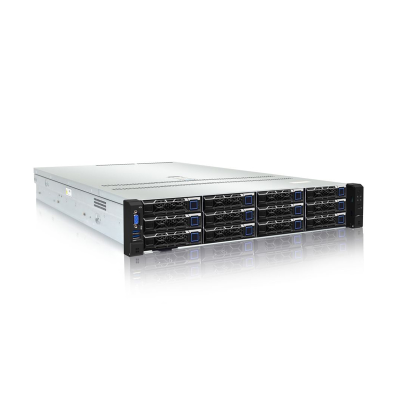
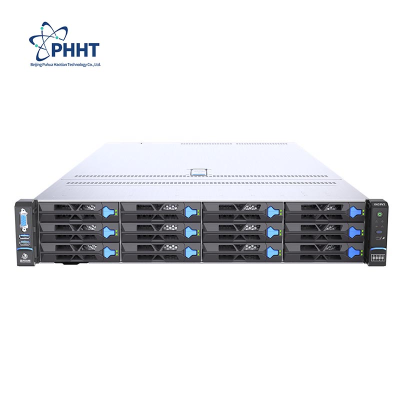
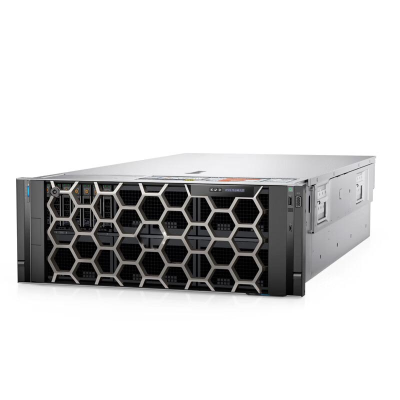
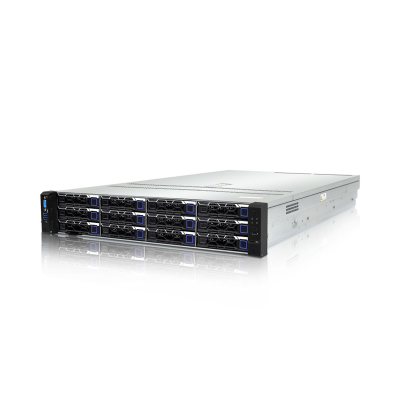
Server Configuration and Use Case Alignment Overlooking the specific server type can often lead to mismatched infrastructure; for instance, choosing a high-density or rack server when a tower or desktop workstation would better suit your environment can cause unnecessary complexity and costs.
Processor and CPU Core Selection Negotiate for the right balance between processor types like Intel Xeon, AMD EPYC, or Intel Core and the maximum number of CPUs—ranging from 8 to 80 cores—to ensure your workloads are efficiently supported without overspending on excess processing power.
Memory Capacity Requirements In practice, most enterprise-level deployments benefit from memory capacities scaling up to 4 TB DDR5 ECC RAM, but smaller setups might only require 8 to 128 GB; aligning your memory needs precisely with application demands prevents both bottlenecks and wasted budget.
Network Connectivity Impact on Performance and Cost The choice between 1 GbE and 100 GbE connectivity can account for a significant portion of total system cost and directly affects data throughput; carefully evaluate your bandwidth needs to avoid overpaying for network capabilities that won’t be fully utilized.