shelves Sourcing Overview
-
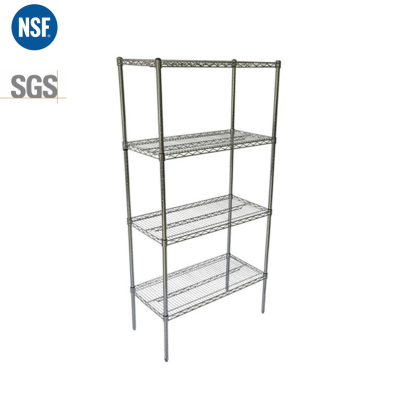
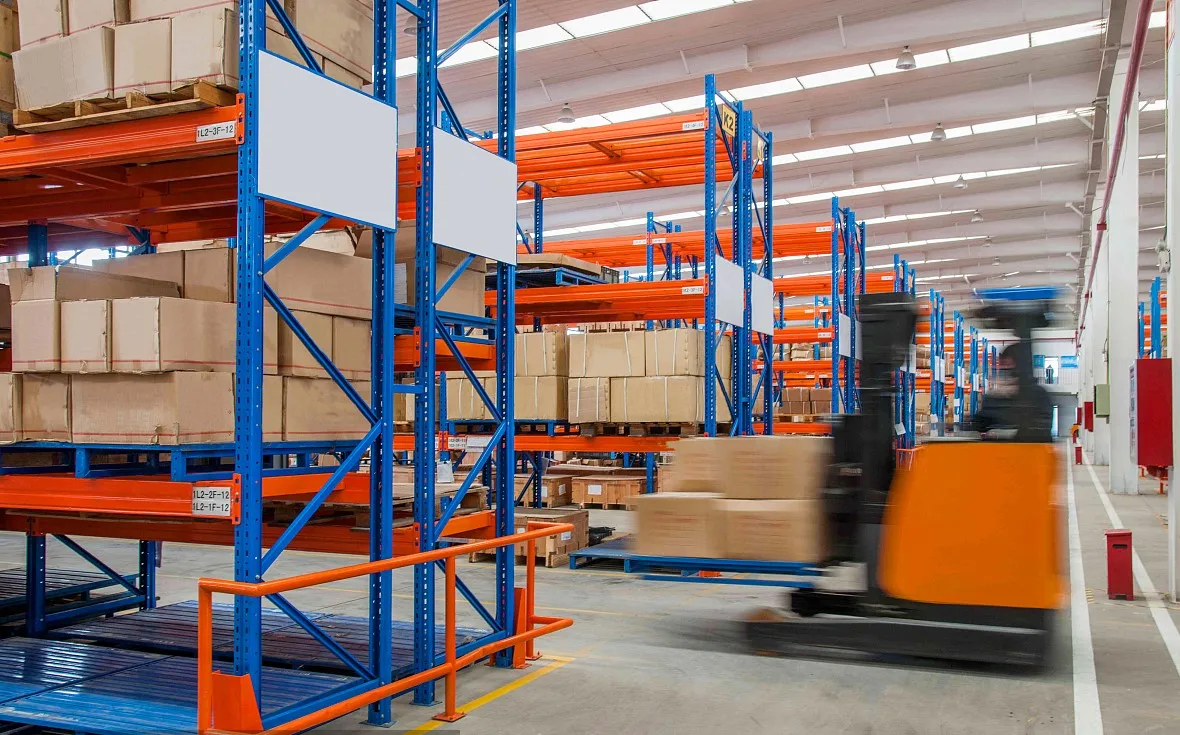
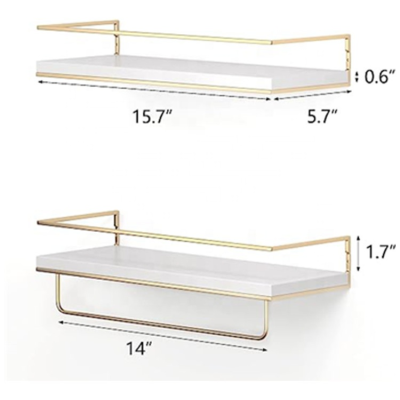
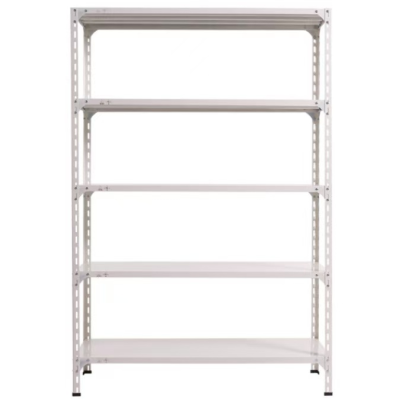
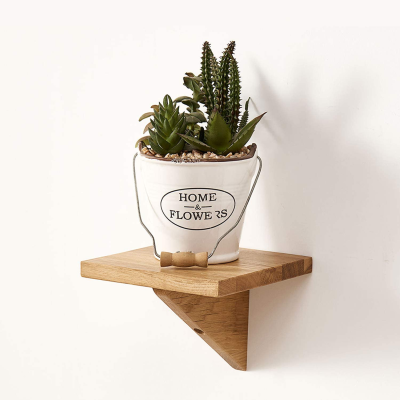
Material and Type Suitability Avoid selecting materials and shelving types without aligning them to your operational environment; for instance, stainless steel is preferable for high-moisture areas, while wood suits dry, aesthetic-focused spaces. Choosing between display racks, pallet racking, or multi-level systems must reflect your storage needs and load requirements to prevent premature wear or inefficiency.
-
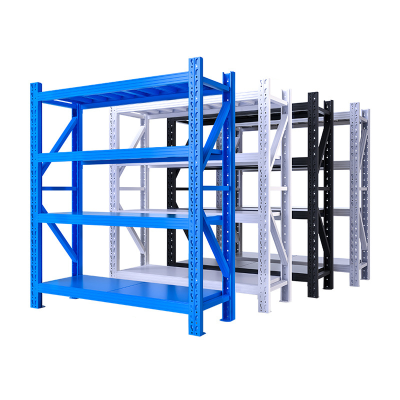
Layer Configuration and Color Customization Negotiate the number of layers carefully, as options range from single to four layers, impacting both storage capacity and structural stability. Additionally, insist on color options like white, black, or rustic brown to match your branding or facility design, ensuring the shelves contribute to a cohesive visual environment.
-
Certification Compliance and Quality Assurance In practice, most reputable suppliers will offer shelves certified under standards such as UL, CE, ISO 9001, RMI, or TUV, which guarantees safety and quality benchmarks are met. Prioritize these certifications to mitigate risks associated with product failure or regulatory non-compliance.
-
Cost Implications of Material and Type Choices The choice between steel, metal, or wood materials can account for up to 30% of the total procurement cost, directly affecting your budget and return on investment. Evaluate the trade-offs between durability and upfront cost, especially when selecting between container fittings or pallet racking types, to optimize long-term value.