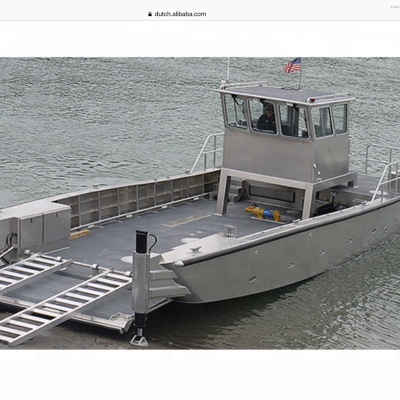
ship Sourcing Overview
-
Vessel Type Alignment Choosing the correct ship type—whether a passenger, cargo, or specialized vessel like a dredger or salvage ship—is crucial to meet operational needs and regulatory frameworks, as mixing roles (e.g., passenger and cargo) demands careful design considerations.
-
Certification Compliance Insist on vessels certified by recognized bodies such as ISO, CE, ABS, or BV to ensure safety, legal compliance, and insurance eligibility, as lacking these can lead to costly operational delays or restrictions.
-
Material Selection Expertise In practice, steel and alloy materials dominate for durability and strength, while aluminum and fiberglass offer weight advantages; your choice should balance longevity with maintenance demands and intended vessel speed.
-
Speed and Tonnage Trade-offs The trade-off between speed—ranging from 9 to 20 knots—and gross tonnage (from 500 to customized sizes) directly affects fuel efficiency and cargo/passenger capacity, so tailor specifications to optimize operational cost versus performance.