sickle Sourcing Overview
-
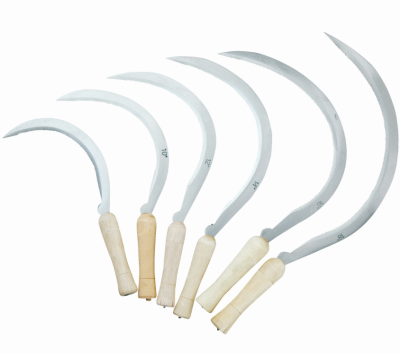
Material Selection Risks Choosing the wrong blade material can severely impact durability and cutting efficiency; for instance, opting for plastic or wooden blades instead of high carbon or manganese steel often leads to premature wear and reduced performance.
-
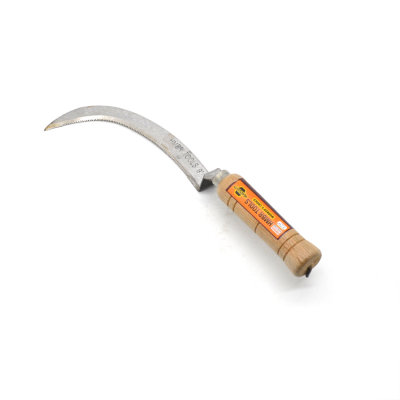
Handle Construction Recommendation Insist on handles made from sturdy plastic-coated metal or quality wood to ensure a secure grip and long-term comfort, as flimsy plastic or poorly finished wooden handles tend to degrade quickly under field conditions.
-
Certification and Quality Assurance Insight In practice, most reputable suppliers provide ISO 9001 or CE certifications, which serve as reliable indicators of consistent manufacturing quality and compliance with safety standards.
-
Weight and Nail Count Trade-Off While a lighter sickle around 45 grams offers ease of use, heavier options near 0.31 kg provide better cutting power; similarly, choosing between 2 or 3 nails for handle attachment affects stability versus manufacturing complexity, so balance these factors according to your operational needs.