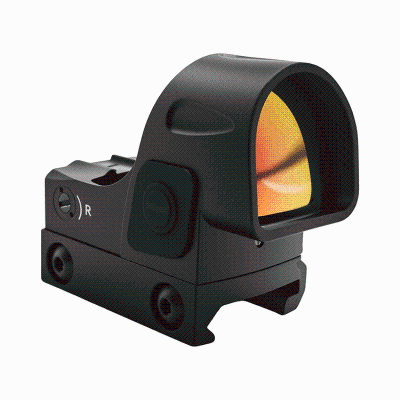
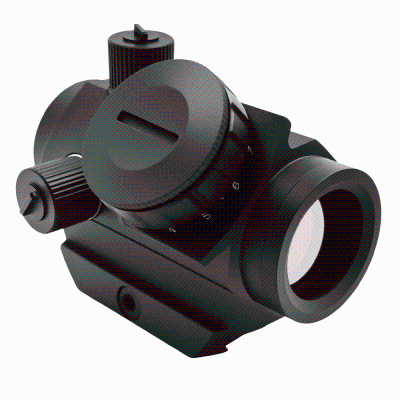
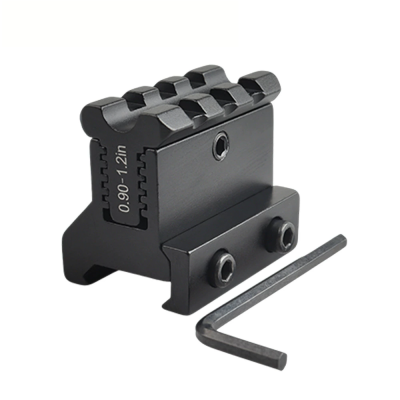
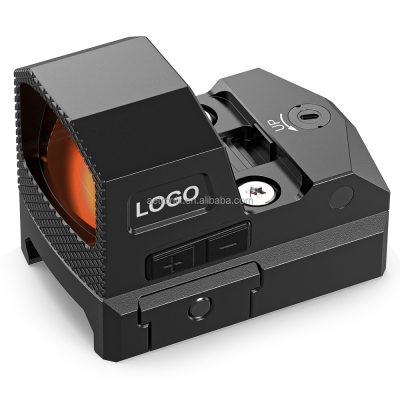
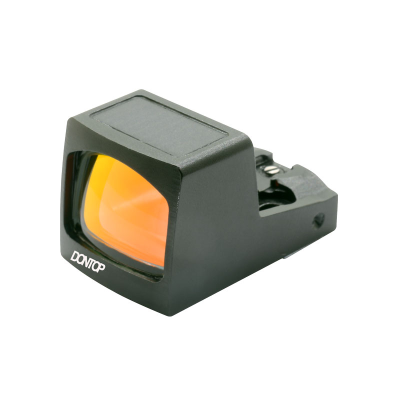
sight Sourcing Overview
-
Weight Variability and Handling Impact Overlooking the weight differences, which range from as light as 16.5 g to as heavy as 648 g, often leads to ergonomic issues; lighter sights enhance mobility for tactical users, while heavier models might offer greater stability preferred by competitive shooters.
-
Mount Compatibility Specification Insist on precise mount type compatibility—20 mm, 21 mm, or 22 mm / 11 mm—to ensure seamless integration with your firearms, as mismatched mounts can cause costly delays and retrofit expenses.
-
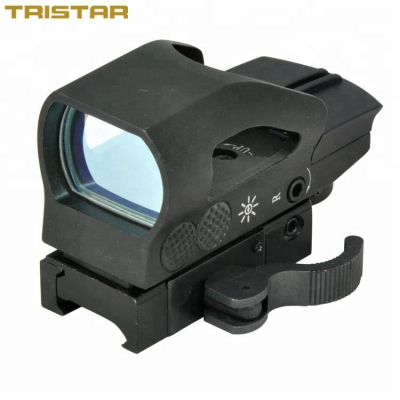
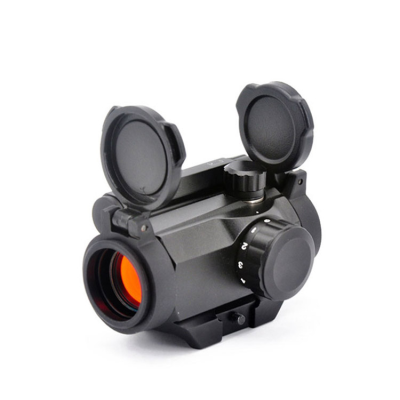
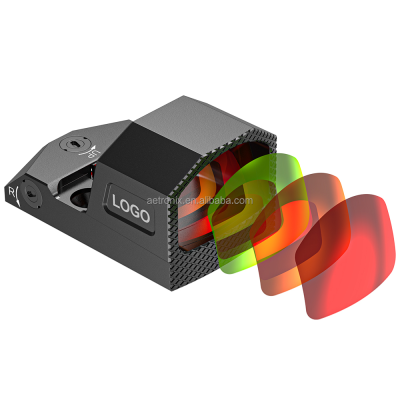
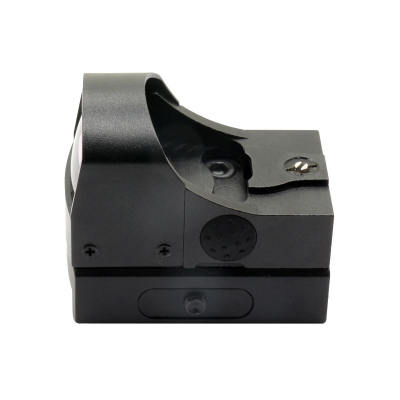
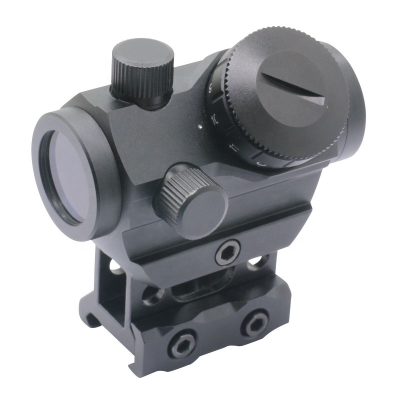
Optical Structure Selection Insight In practice, collimating optical sights and reflex sights serve distinct user needs; collimating sights are favored for rapid target acquisition in hunting, whereas reflex sights are preferred in competitive shooting for their quick reticle visibility.
-
Target Group Alignment Question A critical question to pose is which target group the sight is optimized for—hunting, tactical, competitive shooting, or OEM—since each segment demands different performance characteristics and durability standards.