simulator Sourcing Overview
-
Certification Compliance Risks Overlooking the importance of multiple certifications such as CE, ISO, CCC, TUV, FCC, and RoHS often leads to regulatory hurdles and import delays; ensure the simulator meets all relevant standards for your target market to avoid costly compliance issues.
-
Voltage Compatibility Specification Negotiate with suppliers to provide simulators supporting a broad voltage range, ideally 110-220 V or higher, to guarantee operational flexibility across different regions without requiring additional transformers.
-
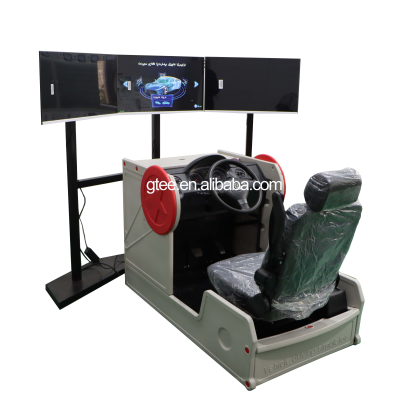
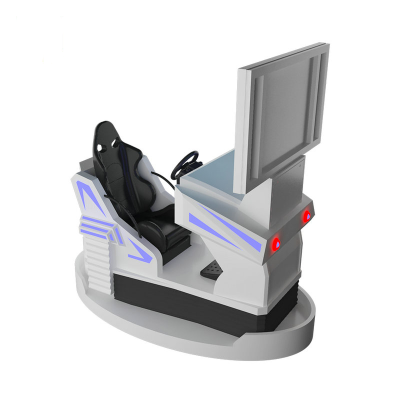
Player Capacity and Simulator Type Insight In practice, most buyers balance between static and dynamic simulator types based on use case, while 1 to 4 player options significantly affect user engagement and space requirements; understanding this helps tailor the purchase to your audience and facility constraints.
-
Weight Considerations and Cost Impact Simulator weight, varying from 150 kg up to 1290 kg, can account for substantial shipping and installation expenses, so selecting a model with an optimal weight profile directly influences your total cost of ownership and logistical planning.