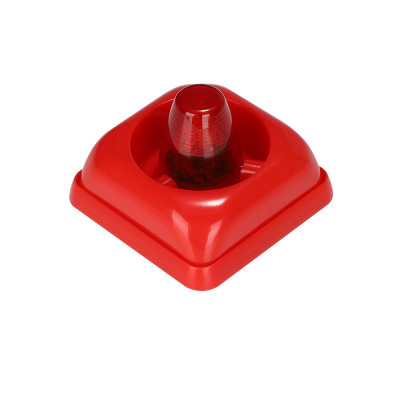
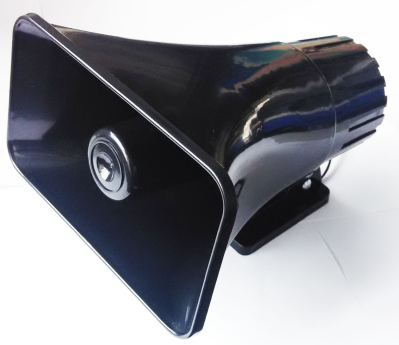
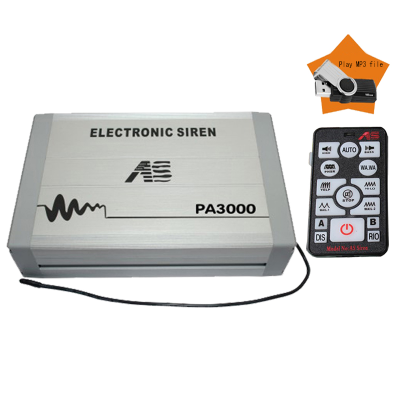
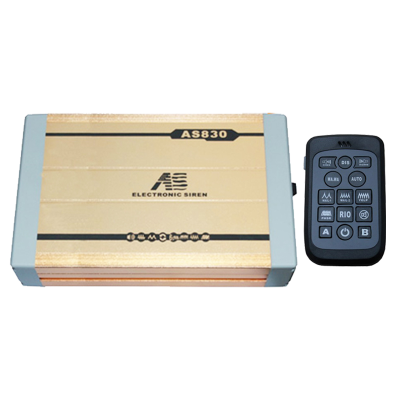
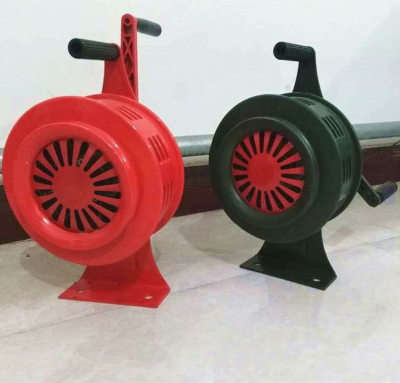
sirens Sourcing Overview
-
Alarm Type Selection and Application Fit Overlooking the precise alarm type can lead to ineffective alerts; for example, choosing an electronic siren when a mechanical horn is needed may compromise audibility in certain environments.
-
Voltage Compatibility Requirements Negotiate voltage specifications carefully, ensuring the siren matches your facility's power supply—whether DC 12V, AC 220V, or another—since mismatched voltage can cause installation delays or equipment failure.
-
Material Durability and Environmental Resistance In practice, most suppliers offer sirens with aluminum alloy or ABS housing; opting for UV-resistant ABS or stainless steel enhances longevity, especially for outdoor or harsh conditions.
-
Certification Impact on Compliance and Cost Certification such as CE, FCC, or RoHS can account for up to 15% of the total procurement cost but is crucial for regulatory compliance and market acceptance, so weigh these credentials against budget constraints carefully.