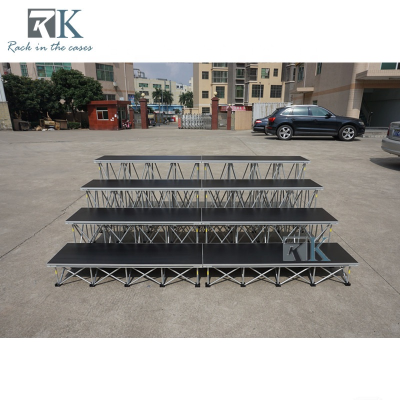
stage Sourcing Overview
-
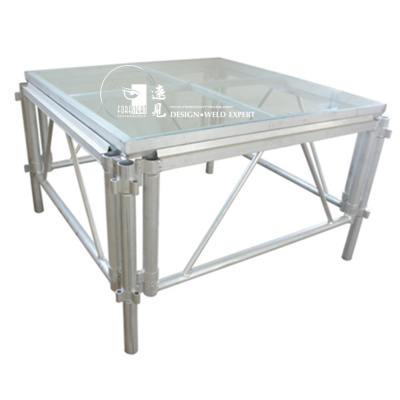
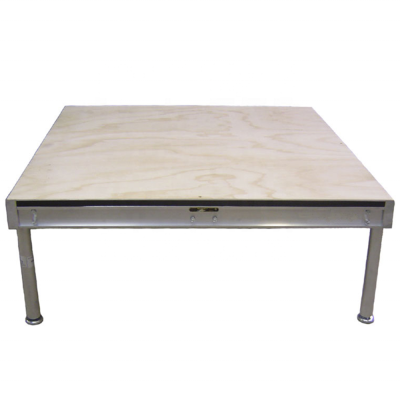
Material and Durability Risks Overlooking the differences in materials like aluminum alloy, steel, or wood can lead to unexpected wear or safety issues; for instance, particle board may not withstand outdoor conditions as well as waterproof board or metal.
-
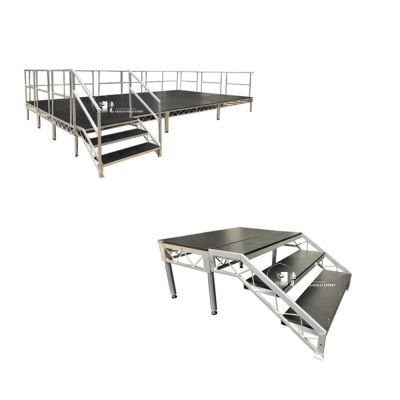
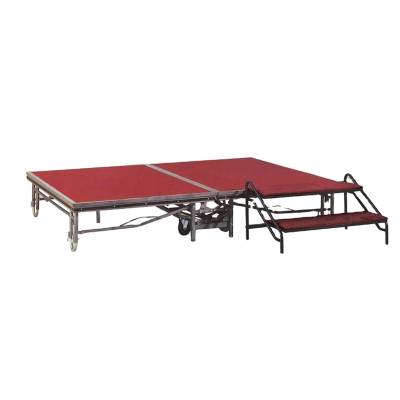
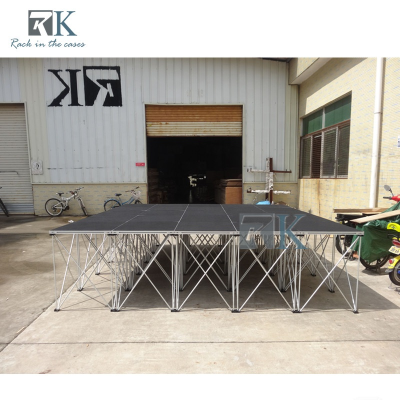
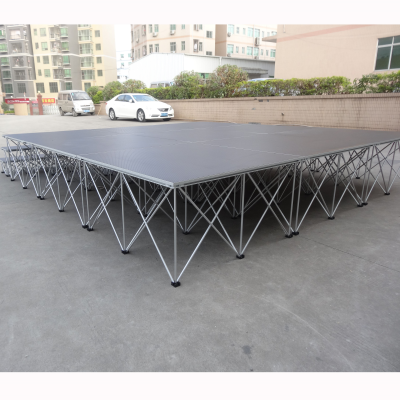
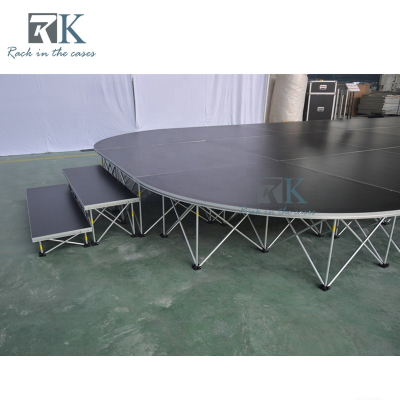
Design and Functionality Specification Insist on a stage design that matches your event needs, whether that’s modular for flexibility, adjustable height for visibility, or a specific shape like trapezoid or ellipse to fit the venue.
-
Industry Standards and Certification Insight Experienced buyers typically prioritize stages with certifications such as TUV, CE, SGS, or ISO 9001, as these validate quality and compliance, especially important for public or commercial use.
-
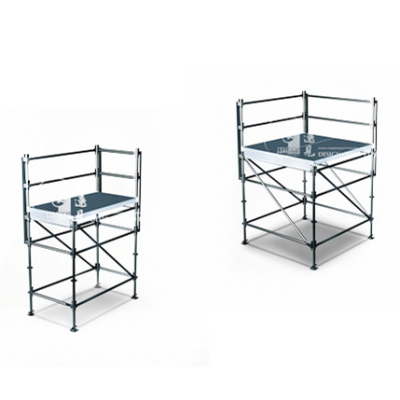
Height Options and Cost Implications The choice between a 0.2-0.5 m low platform versus a 1.5-2 m raised floor can account for a significant portion of your budget, directly affecting transportation, setup complexity, and audience experience.