surveillance Sourcing Overview
-
Certification Compliance and Quality Assurance Overlooking the importance of certifications such as CE, FCC, CCC, RoHS, ISO 9001, and EMI/EMC often leads to procurement of non-compliant or substandard surveillance equipment, risking legal issues and operational failures.
-
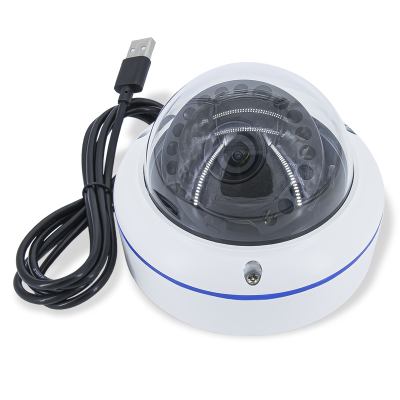
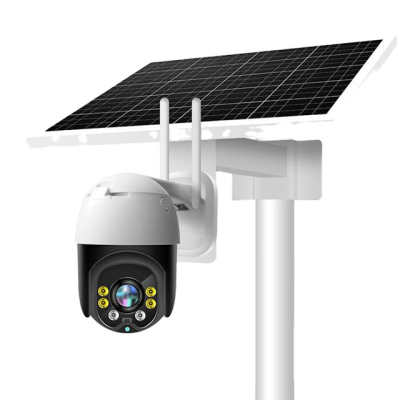
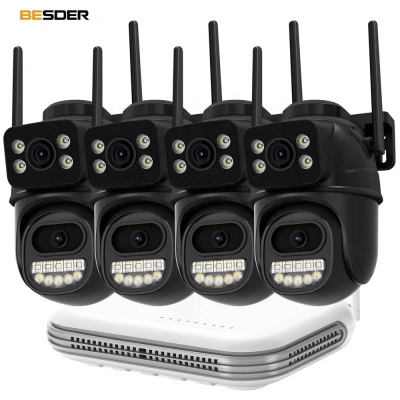
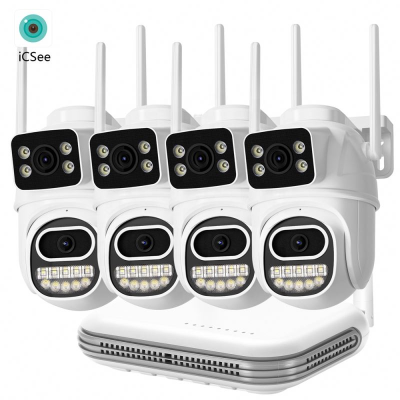
Specify Technology Features Clearly Insist on detailed specifications around technology capabilities like Infrared, Wireless, Pan/Tilt/Zoom, and WDR to ensure the surveillance system meets your operational environment and security needs effectively.
-
Weight Considerations for Deployment In practice, most body worn cameras and portable surveillance devices weigh under 1.5 kg, with common weights around 155-500 grams, so prioritize lightweight options for ease of use and wearer comfort.
-
Effective Distance Matching Operational Needs A critical question to pose is whether the camera’s effective distance—ranging from 0-9 m up to ≥30 m—aligns with your monitoring scenarios, as this directly affects coverage and the number of units required.