Shandong Jinsheng Axle Manufacturing Co., Ltd.
Lead Time 15 DaysLow MOQ 1 PiecesAverage Response 6-24hEscrow ServiceEstablished 10 Years+


Main Products:Trailer Axle
Address:Liangshan County,Shangdong Province,China
Export Year:2001-01-09


Certification Compliance and Quality Assurance Overlooking the importance of certifications such as ISO/TS16949, CCC, DOT, ISO9001, and CE often leads to sourcing substandard suspension components that fail regulatory and safety standards.
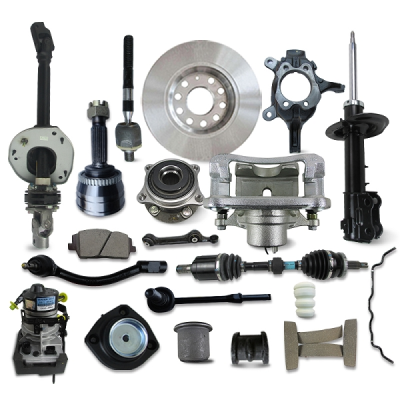
Material Selection Impact Negotiate material specifications carefully, ensuring the use of appropriate combinations like rubber for flexibility, steel or stainless steel for strength, and aluminum for weight reduction to meet durability and performance requirements.
Design Variants and Application Fit In practice, most suppliers offer a variety of suspension designs including underslung, overslung, parabolic leaf spring, and independent suspension; selecting the right design such as American Type or Timbren Axle Less depends heavily on the vehicle type and operational conditions.
Component Type and Cost Efficiency A critical question to ask your supplier is how the choice between suspension types—such as air suspension, hydraulic, or leaf spring suspension—affects overall lifecycle costs and maintenance demands, as these can account for a significant portion of total operational expenditure.