telescopes Sourcing Overview
-
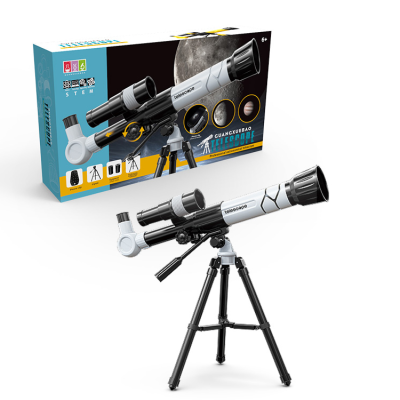
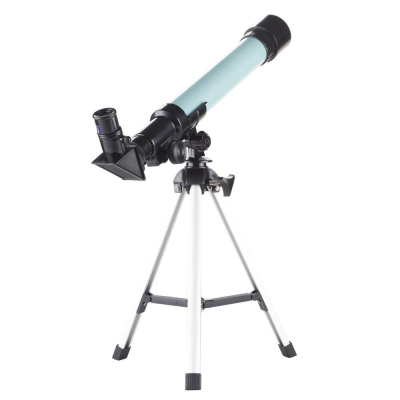
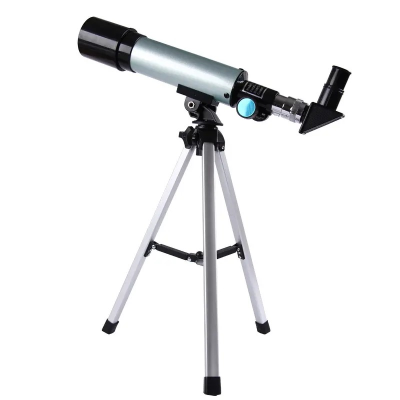
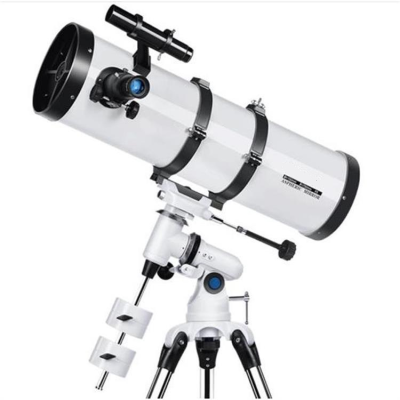
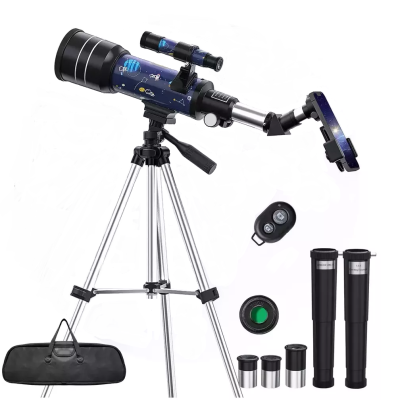
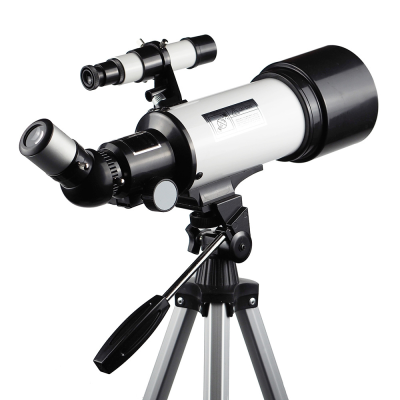
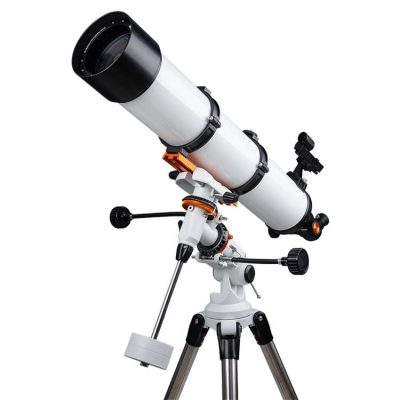
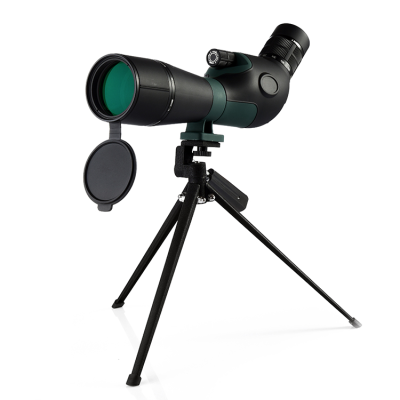
Diverse Product Types Require Clear Use Cases A common mistake is selecting a telescope type without aligning it to the intended application; for example, Dobsonian telescopes excel in astronomical observation while spotting scopes better suit wildlife viewing, so clarify your primary use before committing.
-
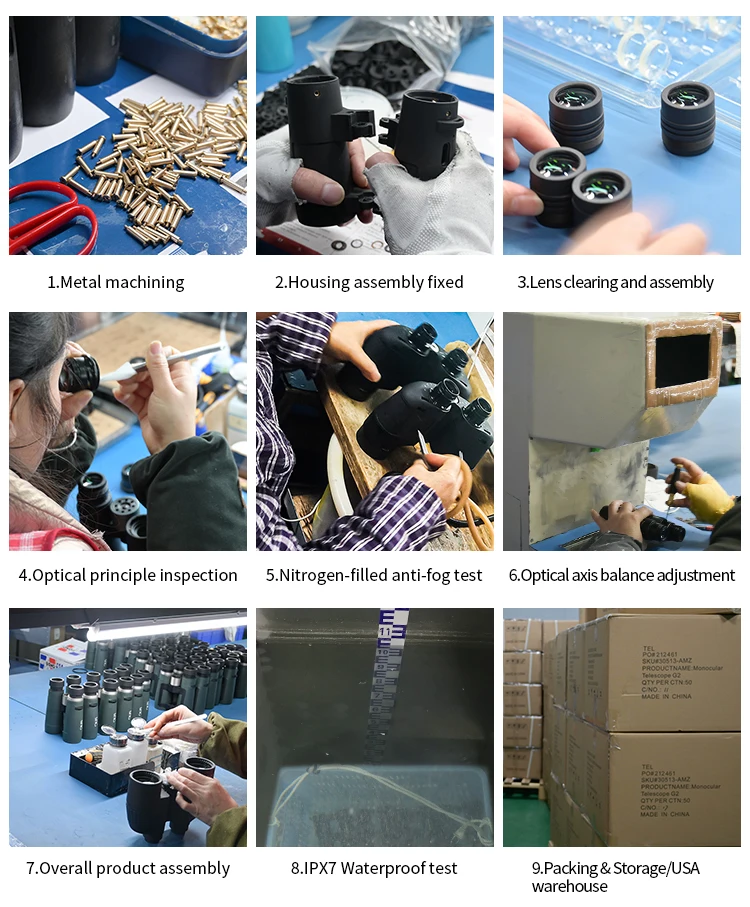
Specify Functional Features to Match Environment Insist on features like waterproofing and fogproofing if the telescope will be used outdoors frequently, and prioritize night vision capabilities for low-light conditions to ensure performance reliability.
-
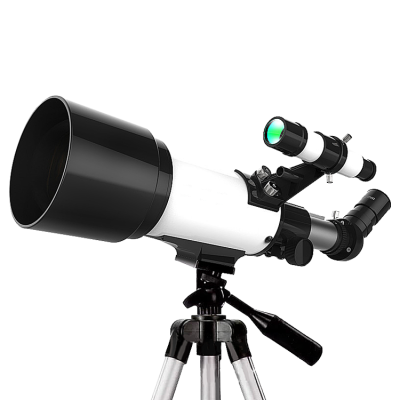
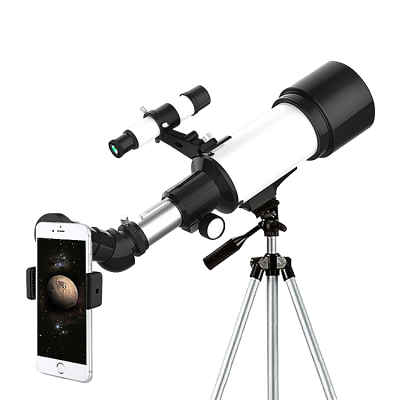
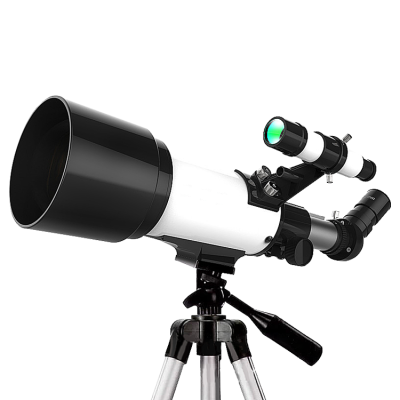
Focal Length and Aperture Influence Optical Performance In practice, most suppliers offer focal lengths ranging from 300 mm to 900 mm with varying apertures; longer focal lengths combined with larger objective apertures (50-100 mm) generally provide superior image clarity for detailed long-distance viewing.
-
Material Choices Impact Durability and Cost Choosing the right material directly affects both durability and budget—metal or aluminum alloys enhance sturdiness but increase cost, whereas plastic components reduce weight and expense but may compromise longevity.