temperature Sourcing Overview
-
Temperature Range Selection Risk Overlooking the appropriate temperature range can cause operational failures; for instance, choosing a sensor rated only up to 225 °C when your process reaches 400 °C will compromise accuracy and durability.
-
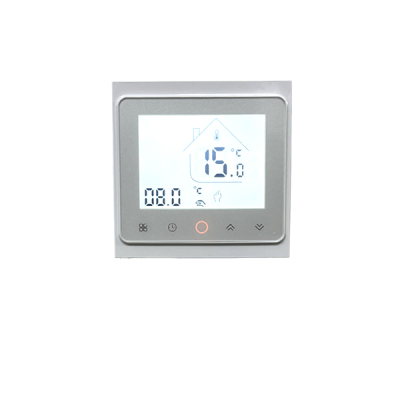
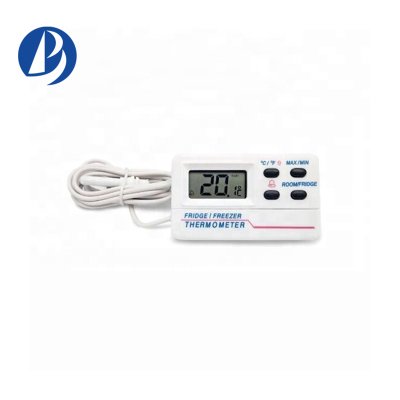
Display and User Interface Recommendation Insist on a display type that matches your operational environment—digital or LCD screens provide clearer readings than pointer types, especially for precise temperature monitoring within ranges like 0-999 °C.
-
Calibration Type Insider Insight In practice, most suppliers offer Type K calibration for general-purpose use, but specialized applications often require Type R or S calibrations to ensure measurement precision at extreme temperatures.
-
Certification and Installation Cost Impact Certifications such as CE, ISO, and RoHS can account for up to 15% of total procurement cost but are essential for compliance and safety; similarly, deciding between duct type and wall-mounted installation affects both installation expenses and maintenance overhead.