testers Sourcing Overview
-
Weight and Workpiece Diameter Compatibility A common mistake is ignoring the interplay between the tester's weight categories—from as light as 1 kg to heavy-duty 2000 kg models—and the maximum diameter of the workpiece it can handle, which ranges from under 500 mm to over 3200 mm; mismatches here can lead to operational inefficiencies or equipment failure.
-
Certification Verification Insist on testers that carry relevant certifications such as CE, ISO 9001, or ASTM standards like F116 and F2502, as these validate compliance with international quality and safety benchmarks crucial for reliable testing outcomes.
-
Loading Method Selection In practice, most suppliers offer testers with either static or dynamic load capabilities, and choosing between these depends heavily on the specific application requirements; understanding this distinction upfront prevents costly misapplication of equipment.
-
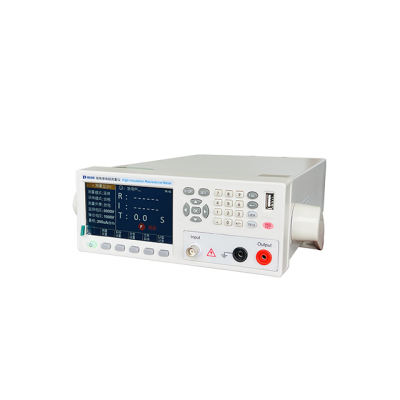
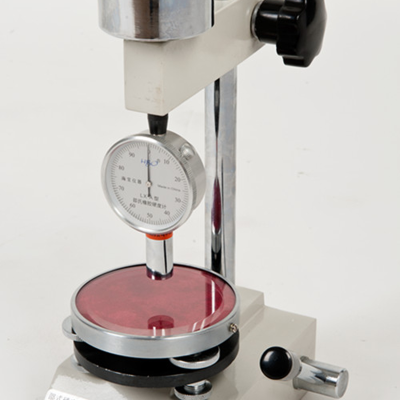
Display Type Trade-offs The trade-off between analogue and digital displays versus digital-only options directly affects usability and data precision, with digital-only models typically offering enhanced accuracy but sometimes at a higher price point and complexity.