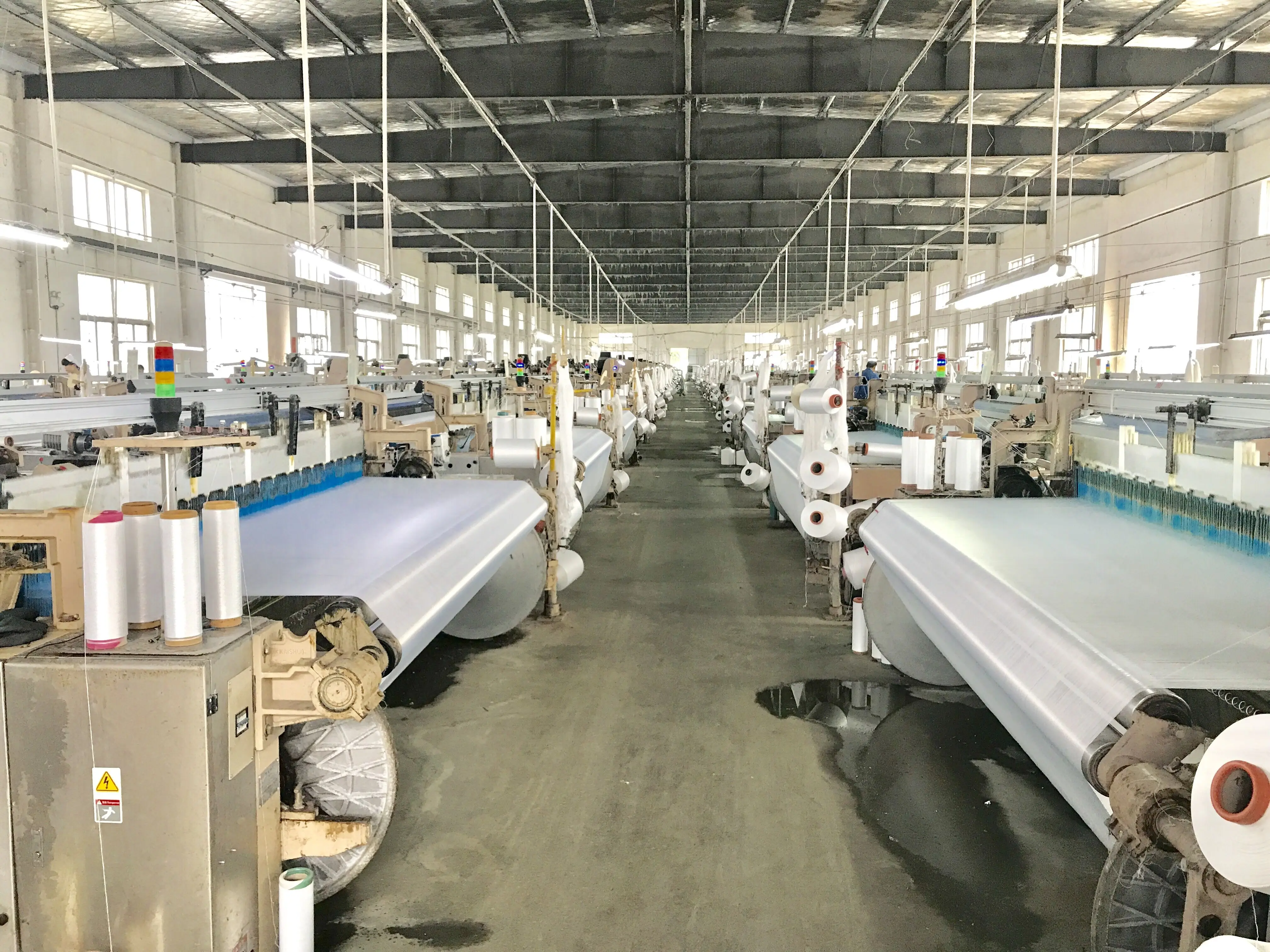
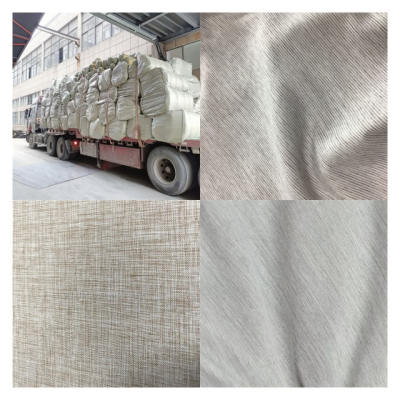
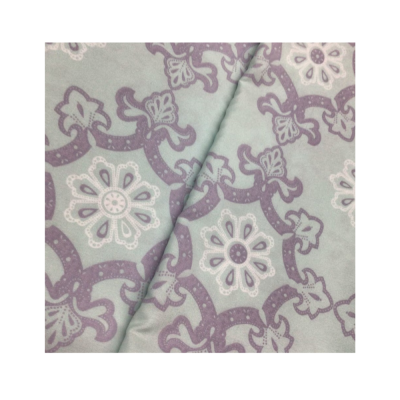
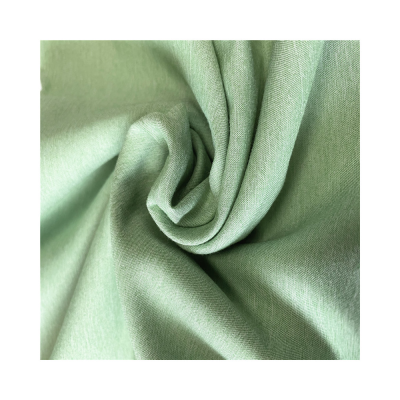
Laimei Sci Tech Inc.
Lead Time 15 DaysAverage Response 6-24hEscrow Service3 ReviewsEstablished 10 Years+
Main Products:Dye Fabric, Printing Fabric
Address:Changxing County,Huzhou City,Zhejiang Province Huzhou Zhejiang China
Export Year:2000-03-17
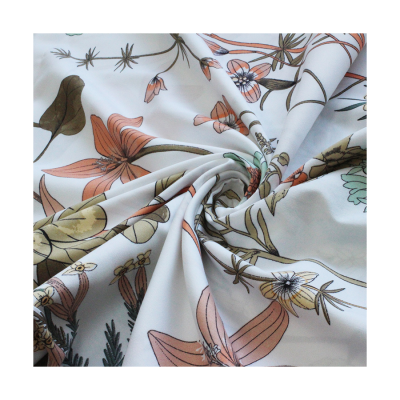
Material Selection Risk Overlooking the specific material requirements can result in unsuitable textiles; for instance, choosing artificial fur or plush when durability or breathability is needed could compromise product performance.
Width Specification Negotiation Insist on precise width measurements aligned with your production needs, as textiles vary widely from 44" to 300 cm, and mismatches here can lead to waste or increased costs.
Weight and Functionality Insight In practice, textiles weighing between 55 gsm and 230 gsm are common, but heavier fabrics like 480 g/m often correlate with enhanced functions such as flame retardancy or waterproofing, which should guide your selection based on end-use.
Knitting Technics Due Diligence A critical question to ask your supplier is which knitting technique—warp, weft, or both—is used, since this directly affects fabric strength and texture, impacting both aesthetics and durability.