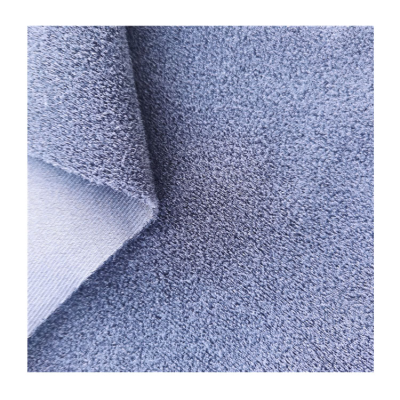
tricot Sourcing Overview
-
Material Composition Complexity Overlooking the precise blend of materials such as Polyester, Nylon, Spandex, or recycled variants can lead to performance issues; each component like PU or TPU significantly affects durability and elasticity, so ensure the supplier clearly specifies the exact fabric mix.
-
Tailored Fabric Type Selection Insist on selecting the exact fabric type—whether it’s Tricot Mesh, Warp Knitting Mesh, or Interlining—because these variations serve very different functional and aesthetic purposes, impacting the end use and compatibility with your product requirements.
-
Functional Performance Prioritization In practice, most suppliers offer a range of functions like tear resistance, flame retardancy, or waterproofing, but experienced buyers typically prioritize the key functions that align with their product’s environment, as unnecessary features can inflate costs without added value.
-
Weight and Width Trade-offs The trade-off between fabric weight categories (e.g., ≤100 g/m² versus ≥200 g/m²) and widths (57-60 inches) directly affects material handling and cost efficiency; selecting customized weights and widths can optimize both performance and minimize waste, influencing your overall ROI.